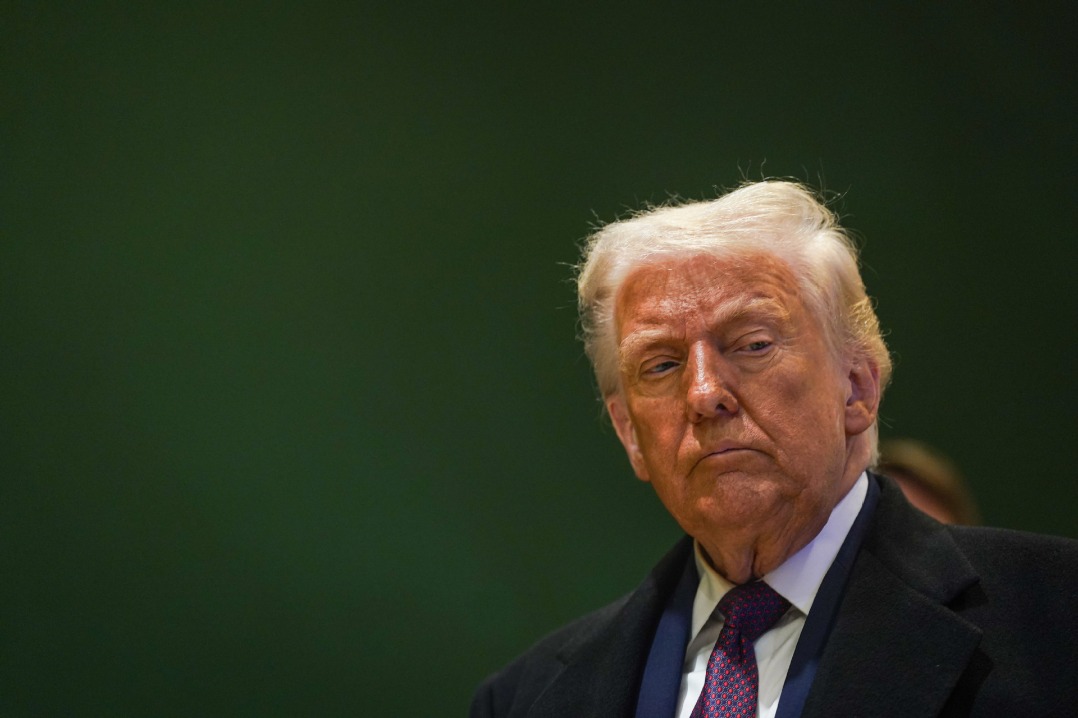
In a notable shift from his previous hardline stance, U.S. President Donald Trump announced his intention to initiate dialogue with Iranian leadership during a public appearance at the Kennedy Center on Thursday. The declaration came alongside a stark reminder of American military capabilities, with Trump referencing “very big, very powerful ships” currently deployed toward Iranian waters.
The President framed potential diplomatic engagement as preferable to military action, stating unequivocally that avoiding the deployment of these naval assets would represent an optimal outcome. This dual-message approach—combining overt military demonstration with openness to negotiation—marks a significant development in the ongoing tensions between Washington and Tehran.
The timing and venue of these comments carry substantial symbolic weight, delivered at a cultural institution named for a president who navigated one of the most dangerous nuclear standoffs in modern history. Trump’s statement suggests a possible recalibration of foreign policy strategy toward Iran, though the specific framework for proposed talks remains undefined.
This development occurs against the backdrop of prolonged economic sanctions and periodic confrontations in the Persian Gulf, where U.S. and Iranian forces have previously engaged in dangerous encounters. The international community continues to monitor whether this overture will lead to substantive diplomatic engagement or represent merely tactical positioning.