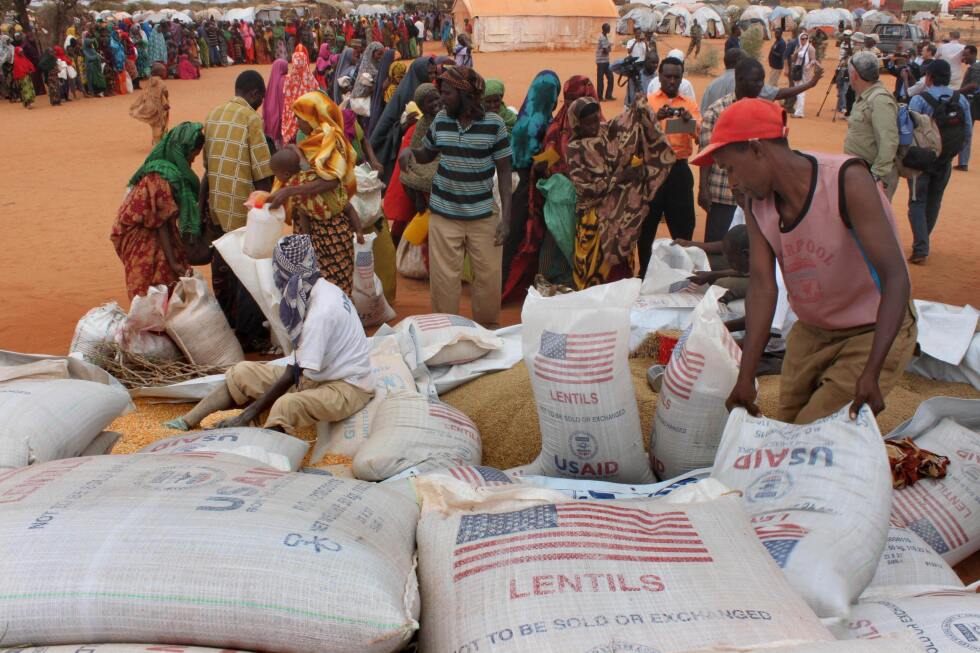
NAIROBI, Kenya — The United States announced Wednesday the reinstatement of humanitarian assistance to Somalia’s federal government, following a temporary suspension triggered by allegations of aid operations disruption at Mogadishu’s primary port. The decision comes after American officials asserted that Somali authorities had acknowledged responsibility for incidents that compromised World Food Program (WFP) operations earlier this month.
Despite Washington’s declaration that Somalia accepted accountability for the disturbance that led to halted aid distributions, the Somali government had not publicly confirmed this acknowledgment by Wednesday evening. Government officials remained silent when approached by The Associated Press for commentary on the development.
The State Department’s Office of the Under Secretary for Foreign Assistance communicated through social media platform X that the United States would recommence WFP food distribution while maintaining a cautious approach toward broader assistance programs in the Horn of Africa nation. The statement emphasized the administration’s strict policy against “waste, theft, or diversion of U.S. resources.”
The initial suspension on January 7 stemmed from claims that Somali officials demolished a U.S.-funded WFP warehouse and confiscated 75 metric tons of specialized nutritional supplies destined for malnourished children and pregnant women. While WFP confirmed the warehouse demolition, they later reported successful retrieval of the seized provisions without elaborating on recovery details.
Somalia’s Foreign Ministry had previously rejected U.S. allegations, maintaining that port expansion activities did not compromise humanitarian aid custody or distribution mechanisms. The resumption timing for full aid deliveries remains uncertain, with WFP representatives not immediately responding to operational inquiries.
This diplomatic episode occurs against the backdrop of heightened U.S. scrutiny toward Somali refugee and migrant communities, including fraud investigations involving childcare centers in Minnesota and intensified immigration restrictions affecting Somali nationals seeking U.S. entry or residency.
Somalia continues to grapple with extreme poverty, prolonged civil unrest, and recurring natural disasters that have created one of the world’s most severe humanitarian crises, making international aid crucial for population survival.