In a dramatic shift from established norms, the Trump administration has executed the most substantial expansion of the US Foreign Terrorist Organization (FTO) list since its inception in 1997. Within the first year of his second term, President Trump has designated 26 new groups as terrorist organizations—a staggering increase compared to the historical average of approximately two additions annually.
The FTO list now exceeds 90 designated groups, surpassing the previous peak of 60 during the Islamic State’s dominance in the mid-2010s. This designation carries severe consequences: providing material support to listed groups becomes a felony offense, financial institutions must freeze associated assets, and alleged associates face entry bans or deportation from the United States.
Most controversially, the administration has expanded the terrorist designation beyond traditional ideological groups to include numerous drug cartels and criminal organizations. Groups such as Mexico’s Sinaloa cartel, Haiti’s Gran Grif, and Ecuador’s Los Lobos now appear alongside organizations like Iran’s Revolutionary Guard Corps, which continues to direct international attacks.
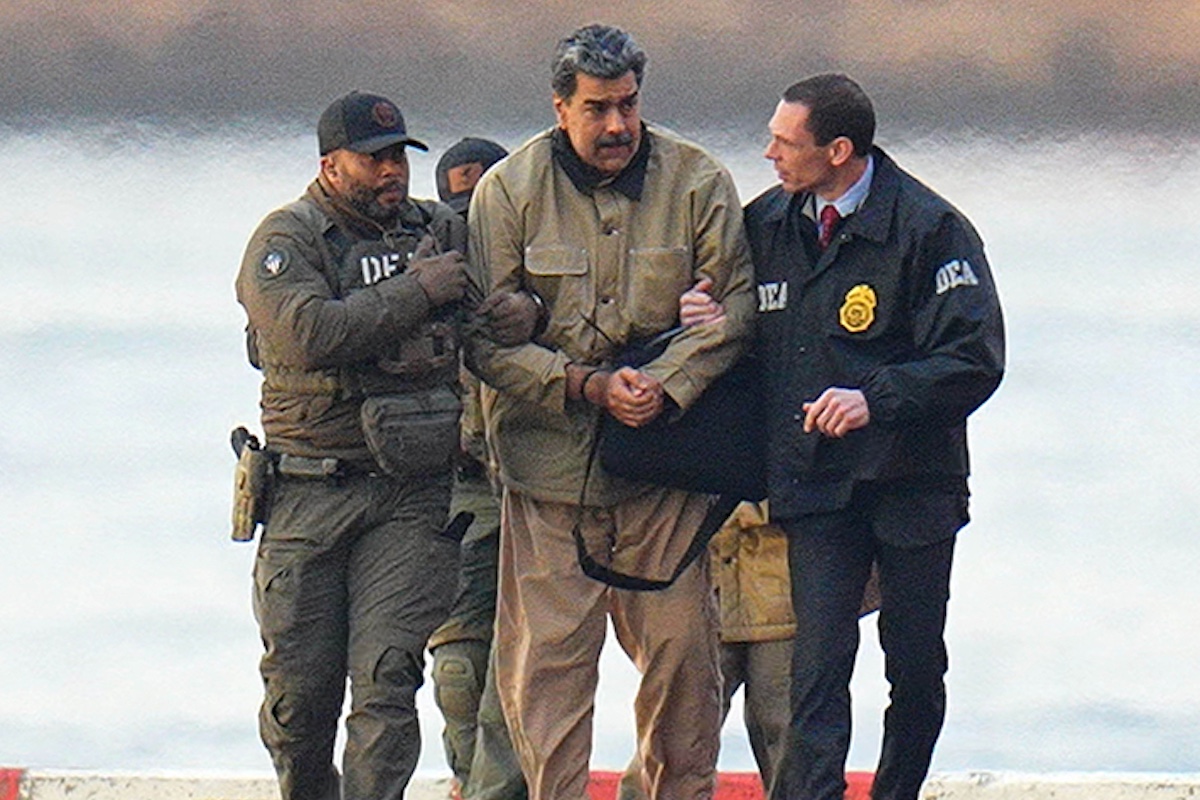
This policy shift has enabled military actions traditionally reserved for counterterrorism operations. The administration has conducted 35 missile strikes against alleged drug trafficking operations, resulting in approximately 120 casualties. These actions culminated in the January overthrow of Venezuelan President Nicolas Maduro, whom the administration accused of leading the Cartel de los Soles—though the Justice Department subsequently dropped claims of the cartel’s existence just two days after his capture.
The expansion has created significant strain on enforcement resources and drawn criticism from analysts who question the strategic wisdom of applying counterterrorism frameworks to criminal organizations. Research indicates that such approaches often backfire, potentially increasing violence rather than containing it.
Notably, this transformation represents a decoupling from traditional US allies on counterterrorism policy. While historically following US designations, major allies including the United Kingdom and Australia have declined to similarly expand their terrorist lists to include criminal organizations. Instead, some allies have focused on designating far-right extremist networks—a category conspicuously absent from the US expansion.
The policy shift reflects broader changes in US foreign policy alignment, with only a few Trump-aligned Latin American countries and Canada (reportedly for trade considerations) following the US lead in designating cartels as terrorist organizations.