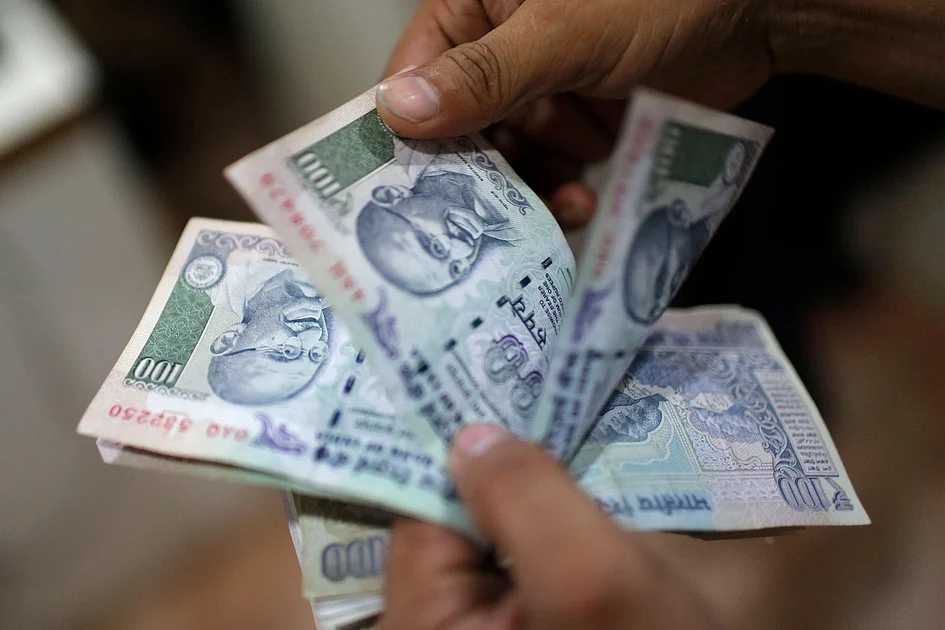
The Indian rupee has breached the psychologically significant threshold of 25 against the UAE dirham, reflecting its persistent weakness against the US dollar which recently approached record lows of 92 rupees. This depreciation, impacting millions of UAE-based Indians through remittances, education costs, and import expenses, stems from multiple converging factors rather than a single catalytic event.
Currency markets witnessed heightened volatility on January 27, 2026, with the rupee experiencing slight firming as the dollar softened and trade-deal optimism provided temporary relief. However, this minor recovery followed fresh historic lows, underscoring the currency’s underlying vulnerability.
Three primary drivers are propelling the rupee’s decline. First, elevated US interest rates and Federal Reserve policy signals have strengthened the dollar, drawing global capital away from emerging markets like India. Second, sustained foreign portfolio outflows have created tangible dollar demand as international investors exit Indian assets. Third, importers’ anticipatory dollar buying—particularly for crude oil, electronics, and gold—has created self-fulfilling downward pressure, while exporters withhold dollar conversions hoping for further rupee depreciation.
The UAE dirham’s peg to the dollar means the rupee-dirham exchange rate directly mirrors rupee-dollar movements, making Gulf transactions more expensive for Indian expatriates. Despite market anxieties, Reserve Bank of India Governor Sanjay Malhotra has clarified that the central bank focuses on maintaining orderly market conditions rather than defending specific exchange rate levels, emphasizing that currency strength shouldn’t be judged solely by exchange rates but by broader economic fundamentals.
Potential stabilizers include moderating dollar strength, progress on India-EU trade agreements, and the RBI’s smoothing interventions. For households, the weak rupee presents a dual reality: enhanced remittance value for those sending money to India, but increased costs for imported goods, international education, and travel.
The rupee’s trajectory remains contingent on global dollar dynamics, foreign investment flows, and trade imbalances, with the RBI positioned to prevent disorderly movements rather than reverse the currency’s broader trend.