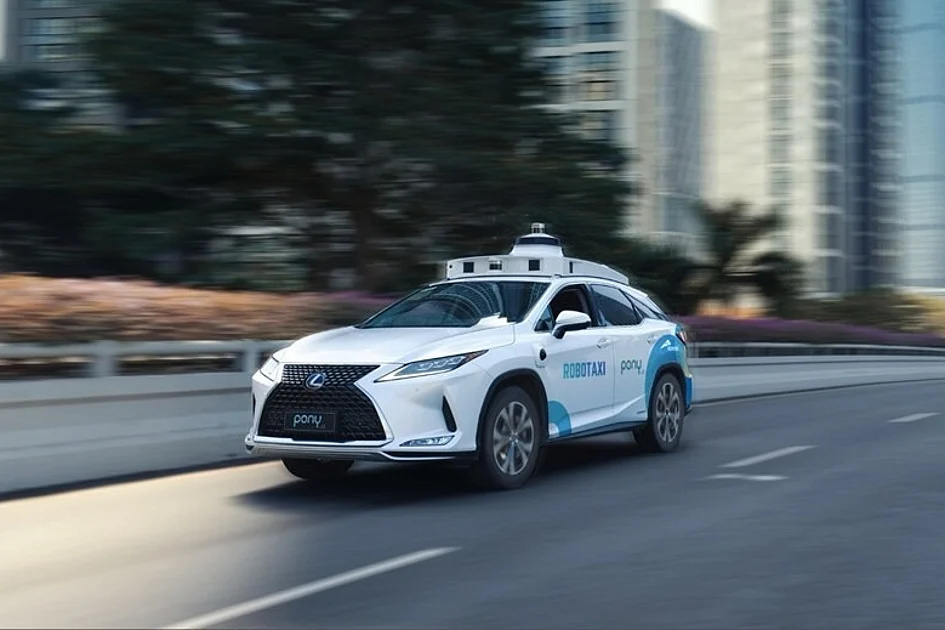
Dubai’s ambitious transition to autonomous transportation is entering a critical phase as robotaxis begin operating on city streets, with full-scale deployment anticipated by 2026. While public attention has primarily focused on the vehicles themselves, industry experts reveal that the true determinant of safety lies in the invisible digital infrastructure supporting these autonomous systems.
The emerging consensus among technology leaders indicates that latency—the minimal delay in data processing—represents the fundamental safety challenge for self-driving vehicles in dense urban environments. Autonomous taxis depend on continuous streams of sensor data to make instantaneous decisions, from pedestrian detection to responding to sudden traffic changes. In dynamic settings like Dubai’s roadways, micro-delays in processing can significantly impact vehicle responsiveness.
Kamel Al Tawil, Managing Director for MENA at digital infrastructure firm Equinix, emphasizes that “latency directly determines how quickly an autonomous vehicle can interpret its surroundings and respond to hazards. In real-world city traffic, milliseconds matter.”
This technological imperative aligns with Dubai’s Autonomous Transportation Strategy, which targets converting 25% of all trips to autonomous modes by 2030. The comprehensive plan envisions deploying approximately 4,000 driverless taxis across the emirate, aiming to reduce traffic accidents, alleviate congestion, and save hundreds of millions of travel hours annually.
Current progress demonstrates tangible advancement: Dubai’s Roads and Transport Authority (RTA) has designated 65 locations across two operational zones for initial robotaxi services. In 2025, Baidu’s Apollo Go received Dubai’s inaugural permit for fully autonomous trials without safety drivers, while RTA’s partnership with WeRide enables residents in Umm Suqeim and Jumeirah to book autonomous rides through Uber’s platform—currently with specialist drivers onboard, transitioning to fully driverless operations imminently.
Regulatory frameworks established under Law No. 9 of 2023 mandate stringent requirements for autonomous vehicle operators, including local storage and processing of operational data encompassing vehicle movements, maintenance records, and accident information. These regulations necessitate integrated electronic systems with real-time safety controls, enabling immediate intervention during malfunctions.
The geographical proximity of data processing infrastructure has emerged as a critical safety consideration rather than merely a technical preference. Al-Tawil explains that “when data is processed far from where it’s generated, even minor network delays can degrade real-time perception. Autonomous systems consequently rely on edge and on-vehicle processing, where critical data is analysed as close to the vehicle as possible.”
Local data processing not only ensures compliance with UAE safety and security standards but also facilitates secure software updates and enables real-time vehicle-to-everything (V2X) communication. Equinix’s UAE data centers are specifically engineered to manage high-density computing workloads, processing vast sensor data volumes in real time to support safety-critical applications.
As Dubai accelerates its autonomous mobility initiatives, the focus is expanding beyond visible technological marvels to encompass the underlying digital ecosystems that enable their safe operation. The success of this transportation revolution will ultimately depend on how rapidly and reliably these vehicles can process information when confronting the unpredictability of urban environments—decisions that must occur within milliseconds, and crucially, within close geographical proximity.