Dubai’s commercial property sector is experiencing a strategic repositioning as sophisticated investors recalibrate their portfolios toward income-generating assets with strong fundamentals. Market data reveals a pronounced pivot toward off-plan offices, logistics hubs, and community retail centers, signaling a departure from speculative residential investments toward stable, long-term returns.
The emirate’s real estate market recorded transactions exceeding Dh760 billion in 2025, with commercial and industrial assets contributing an estimated Dh90-100 billion according to Dubai Land Department statistics. This substantial commercial segment growth reflects deepening institutional confidence in Dubai’s non-residential property market.
Office market dynamics show particular strength in prime locations. CBRE reports Grade A offices in central business districts like DIFC and Business Bay achieved high single-digit rental growth in 2025, driven by constrained new supply. Savills projects this supply limitation will persist through 2027, creating competitive conditions for premium space. Commercial lease registrations have increased year-on-year, with strongest demand for modern, energy-efficient buildings featuring flexible layouts and premium amenities.
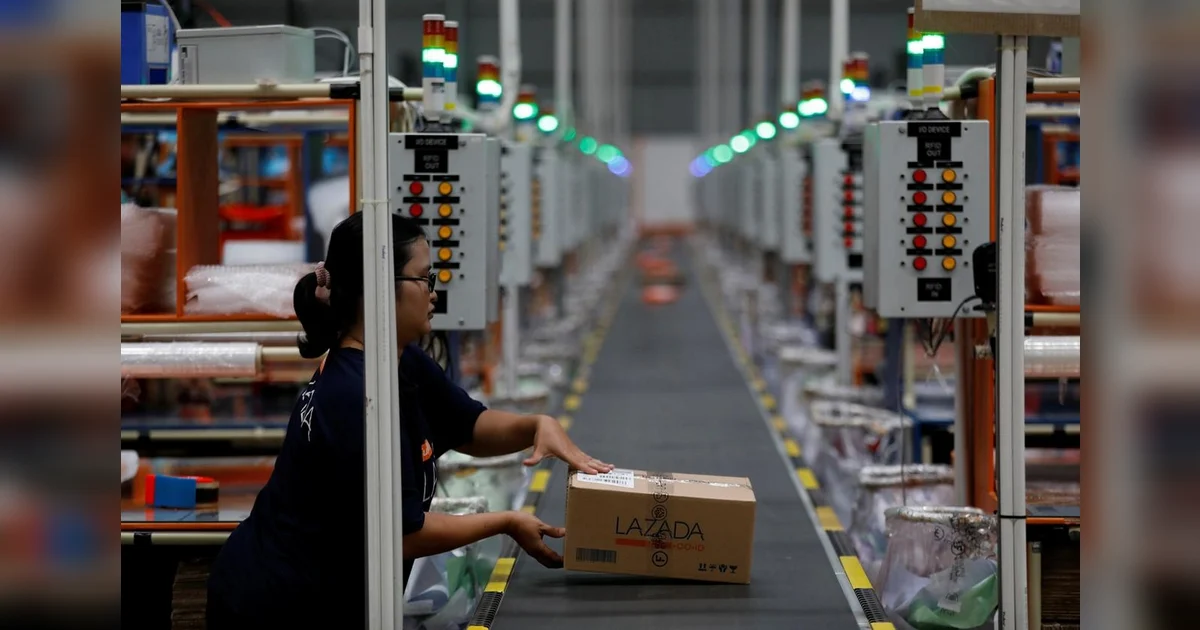
Logistics real estate demonstrates even more vigorous performance, with JLL reporting prime warehouse rents surging over 15% annually in key submarkets. This growth stems from Dubai’s expanding role as a global trade hub, supported by Jebel Ali Port, Dubai South logistics corridor, and growing air cargo volumes. Supply chain diversification and e-commerce expansion are structurally boosting demand for modern distribution facilities across the Gulf region.
Retail investment patterns are evolving toward neighborhood centers embedded within residential communities rather than destination malls. Knight Frank data indicates these community assets deliver stable yields supported by daily consumer spending and population-driven footfall, making them less vulnerable to tourism fluctuations.
Geographically, investment remains concentrated in established commercial districts including Business Bay, Jumeirah Lake Towers, and Barsha Heights, while emerging residential corridors like Jumeirah Village Circle and Dubai South are witnessing their first purpose-built commercial developments.
Investor profiles are becoming increasingly segmented. International capital favors stabilized office and retail assets offering predictable income streams, while domestic investors are pursuing development-led strategies in the industrial sector where supply remains constrained.
Market analysts emphasize this shift toward quality, location, and long-term performance indicates market maturation. With population growth exceeding 3.7 million, infrastructure expansion, and robust trade activity, Dubai’s commercial real estate fundamentals remain strong heading into 2026.