In a groundbreaking legal confrontation with far-reaching implications for the technology sector, major social media corporations are preparing for a pivotal courtroom battle in California’s Los Angeles Superior Court. The trial, commencing Tuesday, represents the first in an anticipated wave of litigation challenging the fundamental design principles underpinning modern social platforms.
The case centers on allegations brought by a 19-year-old plaintiff identified as KGM, who contends that algorithmic architectures employed by Meta (parent company of Instagram and Facebook), ByteDance (TikTok’s owner), and Google (YouTube’s parent) deliberately fostered addictive usage patterns that severely compromised her mental wellbeing. Notably, Snapchat reached an out-of-court settlement with the plaintiff preceding trial proceedings.
This litigation marks a significant evolution in judicial approach toward technology firms, testing the boundaries of Section 230 of the Communications Decency Act—legislation historically invoked to shield platforms from liability regarding third-party content. The current proceedings uniquely target design elements including recommendation algorithms, notification systems, and engagement-optimizing features that plaintiffs argue directly cause psychological harm.
Matthew Bergman, representing KGM, emphasized the trial’s historic nature: “This constitutes the first instance where social media entities will answer before a jury regarding their operational methodologies. Numerous adolescents globally endure similar struggles attributable to deliberately addictive algorithms prioritizing corporate profitability over youth welfare.”
Legal experts observe heightened stakes for the industry. Professor Eric Goldman of Santa Clara University warned that adverse rulings could pose existential threats to social media business models, though establishing causal relationships between platform design and specific psychological harm presents substantial evidentiary challenges.
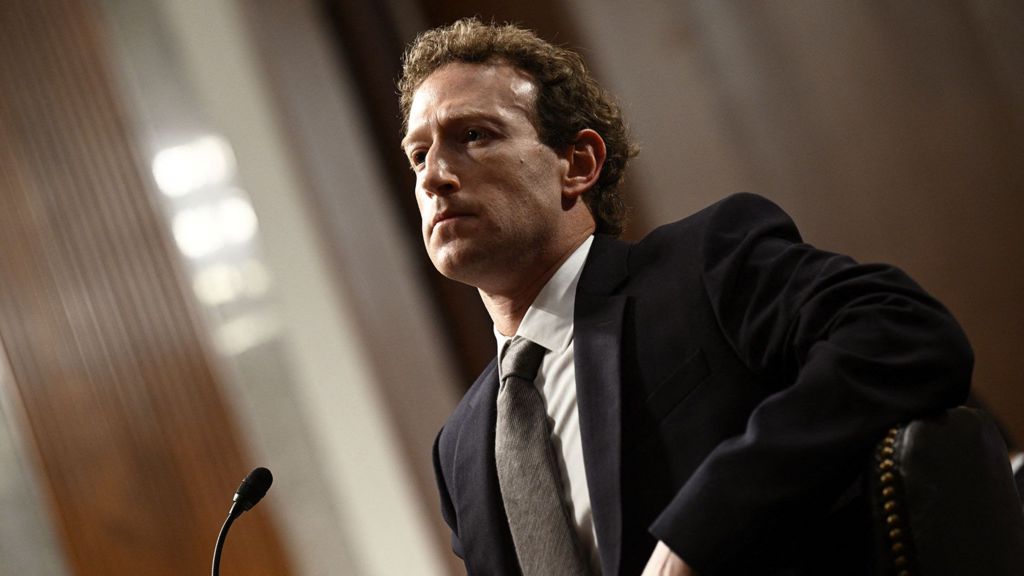
The trial will feature testimony from top executives including Meta CEO Mark Zuckerberg, whose congressional testimony last year denied established scientific connections between social media usage and deteriorating youth mental health. Company internal documents previously shielded from public scrutiny are expected to feature prominently in proceedings.
This judicial development coincides with intensified global scrutiny, including multi-state lawsuits against Meta in the United States, Australia’s implementation of under-16 social media prohibitions, and potential regulatory action in the United Kingdom. Professor Mary Anne Franks of George Washington University noted: “The technology sector has historically received deferential treatment. Current developments suggest this paradigm may be undergoing fundamental transformation.”