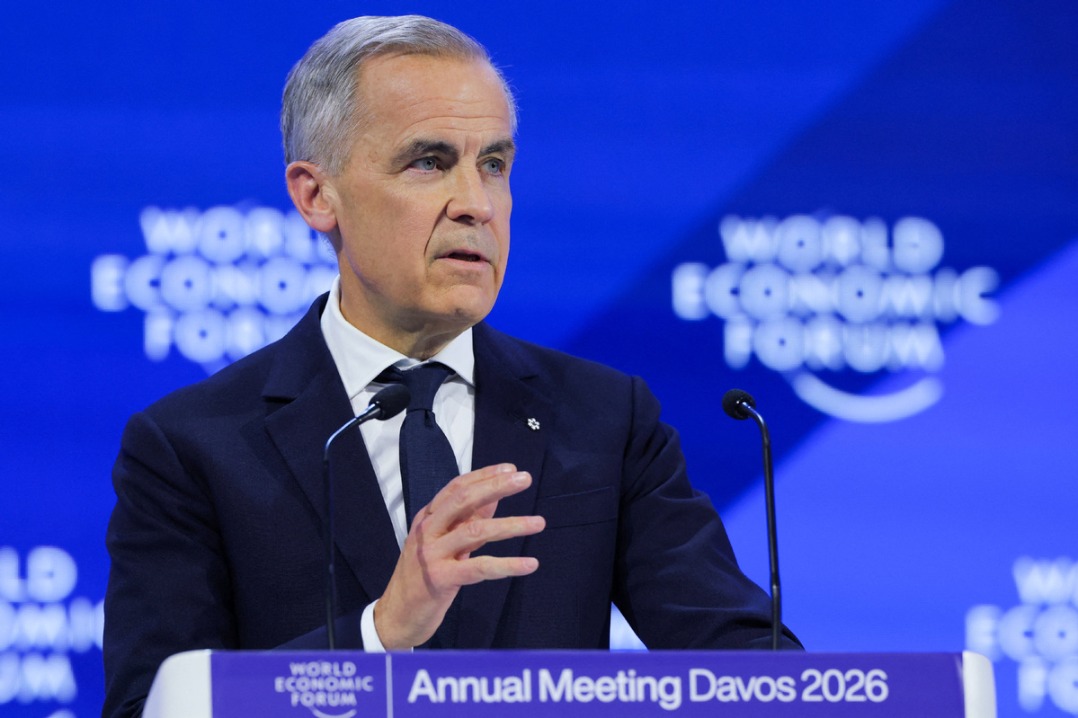
Canadian Prime Minister Mark Carney’s landmark address at the World Economic Forum in Davos has ignited expert analysis regarding the fundamental restructuring of global governance systems. Speaking on January 20, 2026, Carney declared the postwar international order effectively terminated, emphasizing that middle-power nations must adapt to an increasingly fragmented and coercive global landscape.
According to Ronald Stagg, History Professor at Toronto Metropolitan University, Carney’s reference to the ‘old order’ pertains to the framework of international relationships established following World War II. “This system operated on principles of mutual respect among nations and relied heavily on multilateral institutions like the United Nations for conflict resolution,” Stagg explained. However, he noted that this order “never truly existed in its idealized form,” as powerful nations only participated when it served their interests.
The critical shift, experts suggest, lies in the reemergence of overtly coercive tactics by major powers. Stagg identified the United States as Carney’s primary subject of criticism, citing Washington’s withdrawal from international organizations, consistent UN criticism, and poor treatment of allied nations. “We’re witnessing the return of Great Power politics where force prevails over diplomacy,” Stagg observed.
Adam Chapnick, Defense Professor at the Royal Military College of Canada, elaborated that the postwar system functioned through rules-based mechanisms with consequences for violations. “The current reality demonstrates eroded constraints on power,” Chapnick stated. “Without universal frameworks, dominant nations increasingly utilize military and economic superiority to advance self-interests without systemic considerations.”
Carney’s proposed solution involves middle-power nations forming strategic coalitions based on shared objectives rather than negotiating individually with major powers. This approach received substantial support at Davos but triggered immediate backlash from Washington. President Donald Trump subsequently rescinded Carney’s invitation to join a proposed ‘Board of Peace’ addressing Gaza and publicly criticized Canada’s perceived ingratitude toward American protection.
Stagg characterized Trump’s worldview as fundamentally transactional, noting potential complications for upcoming United States-Mexico-Canada Agreement reviews. This diplomatic friction underscores Carney’s central thesis: in today’s geopolitical environment, survival priorities must supersede secondary objectives, though not eliminate them entirely.