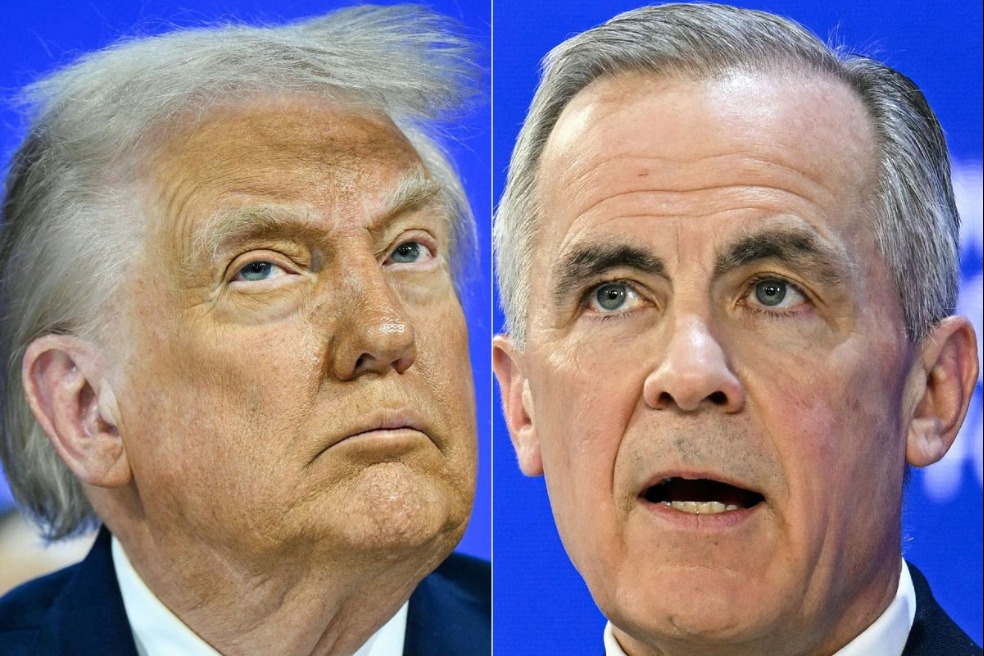
A sudden reversal in US diplomatic posture toward Canada—from applauding trade engagements to threatening comprehensive tariffs—reveals deeper political motivations rather than substantive trade concerns, according to policy analysts. This shift occurred mere days after the US administration commended Canadian Prime Minister Mark Carney’s negotiations with China, only to abruptly warn of imposing 100% punitive tariffs on all Canadian imports should the agreement proceed.
Professor Jiang Wenran, founding director of the China Institute at the University of Alberta, attributed the contradictory stance to personal pique and strategic coercion. He identified Carney’s address at the World Economic Forum in Davos as the immediate catalyst. There, Carney criticized international “coercion” and cautioned against middle powers falling prey to “American hegemony”—a speech met with a standing ovation that reportedly overshadowed US President Donald Trump’s poorly received appearance.
Jiang elaborated that beyond personal dynamics, the tariff threat constitutes a strategic instrument to reinforce US dominance in North America. From Washington’s perspective, Sino-Canadian trade talks represent a direct challenge to US economic strategy. The threat aims not only to realign Canadian policy but also to deter other US allies from pursuing independent trade agreements.
In response, Carney clarified that Canada does not intend to pursue a full free-trade agreement with China, ensuring ongoing negotiations comply with existing US-Mexico-Canada Agreement (USMCA) provisions. This approach seeks to avoid activating the pact’s “poison pill” clause while advancing pragmatic trade objectives.
Domestically, the US threat has intensified debate within Canada. One faction emphasizes the catastrophic economic repercussions of losing access to the US market, which absorbs 75% of Canadian exports, and advocates accommodation. Another interprets US pressure as validation of the need to accelerate trade diversification and reduce dependency.
Ottawa’s response has combined restraint with quiet resistance, emphasizing domestic resilience through initiatives like the “Buy Canadian” campaign while broadening international trade ties. This reflects a cautious balancing act—pursuing economic benefits from diversification while mitigating legal and political risks from the US.
Ron Stagg, a history professor at Toronto Metropolitan University, noted that the tariff threat appears driven more by political signaling than clear trade mechanics. The US administration framed its warning around preventing Canada from becoming a “back-door for Chinese imports,” yet Stagg highlighted that Chinese electric vehicles entering Canada would remain subject to US duties if re-exported, minimizing any tangible threat.
The situation underscores the complex interplay of personal diplomacy, strategic posturing, and economic policy shaping North American relations.