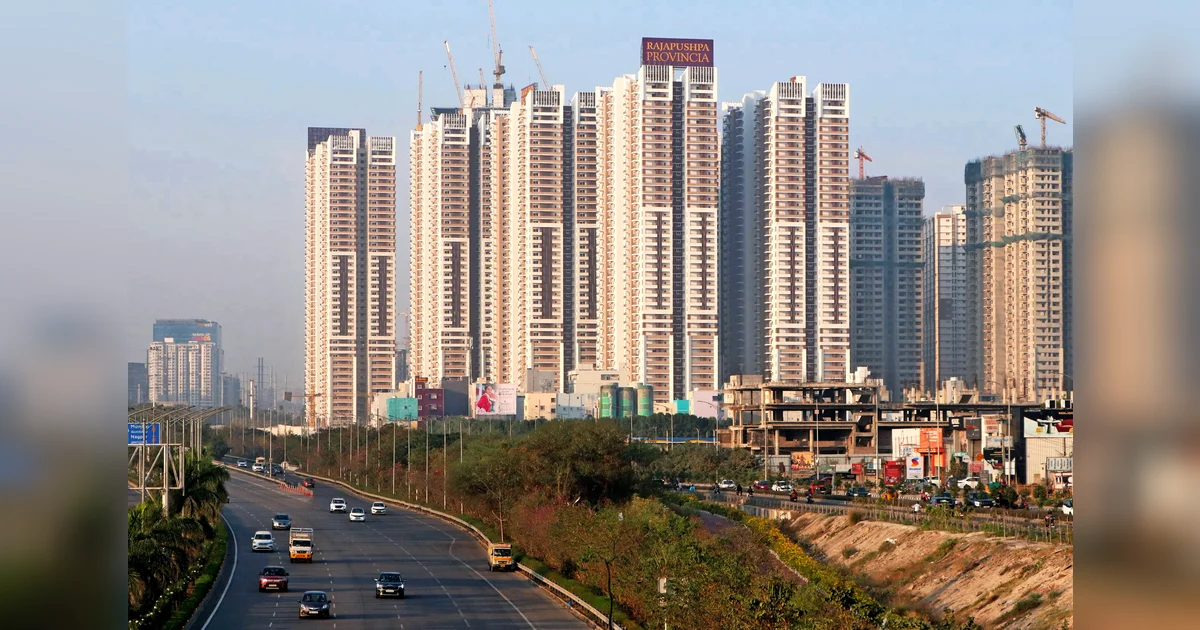
India’s real estate market is positioned for unprecedented expansion throughout 2026, with comprehensive analyses indicating the sector’s trajectory toward achieving $1 trillion in valuation by 2030. This remarkable growth narrative is underpinned by multiple structural drivers including robust domestic consumption patterns, sustained occupier activities, and strengthening investor confidence across all asset classes.
Industry specialists from leading consultancies Colliers India and Cushman & Wakefield identify several transformative forces reshaping the market landscape. Urbanization acceleration, demographic advantages with a median age of 30 years, rising disposable incomes, and infrastructure modernization are creating synergistic growth conditions. The residential segment demonstrates particular vigor, maintaining annual sales between 300,000-400,000 units in the post-pandemic recovery phase, with this momentum expected to intensify throughout 2026.
Commercial real estate exhibits parallel robustness, driven by evolving workplace strategies and enhanced connectivity infrastructure. The industrial and warehousing segment anticipates accelerated demand as manufacturing capabilities expand and supply chains undergo technological modernization. Simultaneously, alternative asset classes including data centers, co-living spaces, and senior living facilities are attracting increased institutional investment attention.
Market segmentation analysis reveals the mid-segment housing category maintains dominance with 52% market share over recent quarters, while luxury and high-end properties show sustained growth potential fueled by non-resident Indian investment and evolving lifestyle aspirations. Residential pricing structures have demonstrated approximately 57% appreciation in recent years, partially influenced by premium project launches altering overall market composition.
The institutional investment landscape is transforming through democratized access vehicles including Real Estate Investment Trusts (REITs), small and medium REITs, Infrastructure Investment Trusts (InvITs), and Alternative Investment Funds (AIFs). Concurrently, environmental, social, and governance (ESG) considerations are becoming fundamental to development strategies, with green construction methodologies, energy-efficient materials, and climate-resilient communities gaining significant traction.
According to Badal Yagnik, Chief Executive Officer of Colliers India, ‘2026 will reinforce India’s position as a future-ready, globally competitive real estate market. The convergence of technological integration, sustainability imperatives, and institutional maturity creates an unparalleled growth ecosystem that transcends traditional real estate paradigms.’
This comprehensive market evolution establishes India’s property sector as a multifaceted growth engine, characterized by deepening asset class diversification, technological adoption, and institutional sophistication that collectively support its journey toward trillion-dollar valuation.