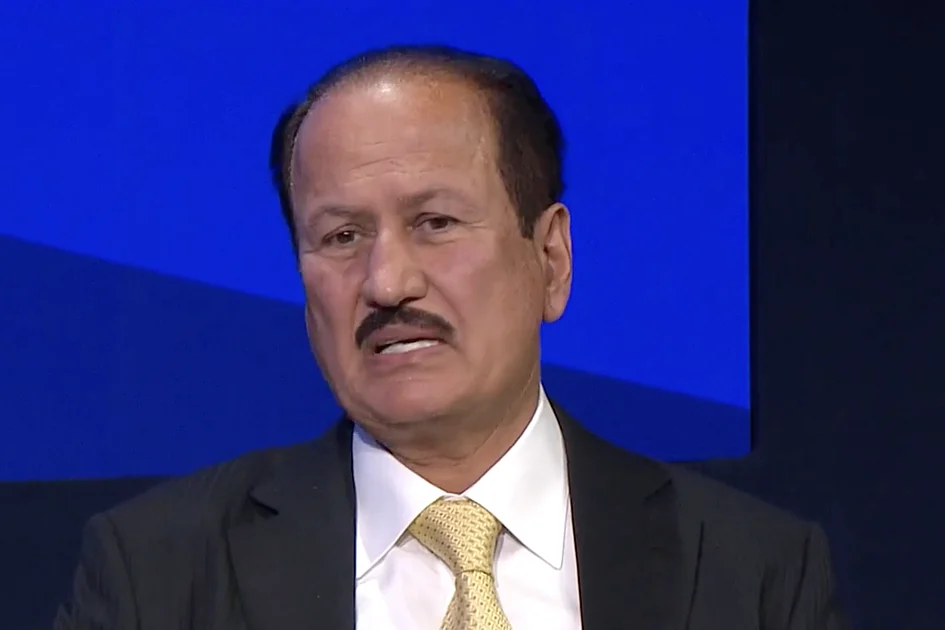
DUBAI – Artificial intelligence is poised to trigger a seismic shift in global labor markets that could cost India millions of outsourcing jobs, according to prominent Dubai billionaire Hussain Sajwani. The Damac founder and chairman issued this stark warning during a panel discussion at the World Economic Forum 2026 in Davos, Switzerland.
Sajwani drew historical parallels to illustrate the transformative power of AI, comparing its potential impact to the Industrial Revolution and the internet’s emergence. “AI will revolutionize the world tenfold, perhaps even a hundredfold, compared to the internet’s impact,” he stated. “Nations that fail to embrace this technology risk being left behind, much like the Ottoman Empire’s decline after rejecting the typewriter.”
The billionaire specifically highlighted India’s vulnerability due to its massive outsourcing industry. “Approximately 80% of accounting positions, nursing roles, and similar occupations face replacement by AI systems,” Sajwani projected. “This technological displacement eliminates the necessity for Western companies to maintain offshore staffing arrangements in South Asia.”
Sajwani identified distinct tiers of AI adoption globally: “China, America, the UAE, and Saudi Arabia are establishing leadership through substantial investments and strategic implementation. While smaller economies like the UAE may not single-handedly influence global trends, American and Chinese advancements will undoubtedly drive this revolution.”
Conversely, Sajwani expressed skepticism about Europe’s approach: “European nations appear to be lagging in AI development. I anticipate they will implement restrictive regulations to protect existing jobs, ultimately hindering their competitive position.”
UAE Minister of Foreign Trade Dr. Thani Al Zeyoudi echoed these sentiments during separate Forum remarks, noting the Emirates’ increasing reliance on robotics and AI to address labor shortages in construction and manufacturing sectors. “Our aging unskilled workforce presents significant challenges,” Al Zeyoudi explained. “Robotic solutions have become essential for maintaining economic development.”
The discussion expanded to include Middle Eastern prosperity and reconstruction initiatives, with Sajwani expressing support for peace efforts in Gaza while noting that primary reconstruction funding would necessarily originate from governmental rather than private sources.