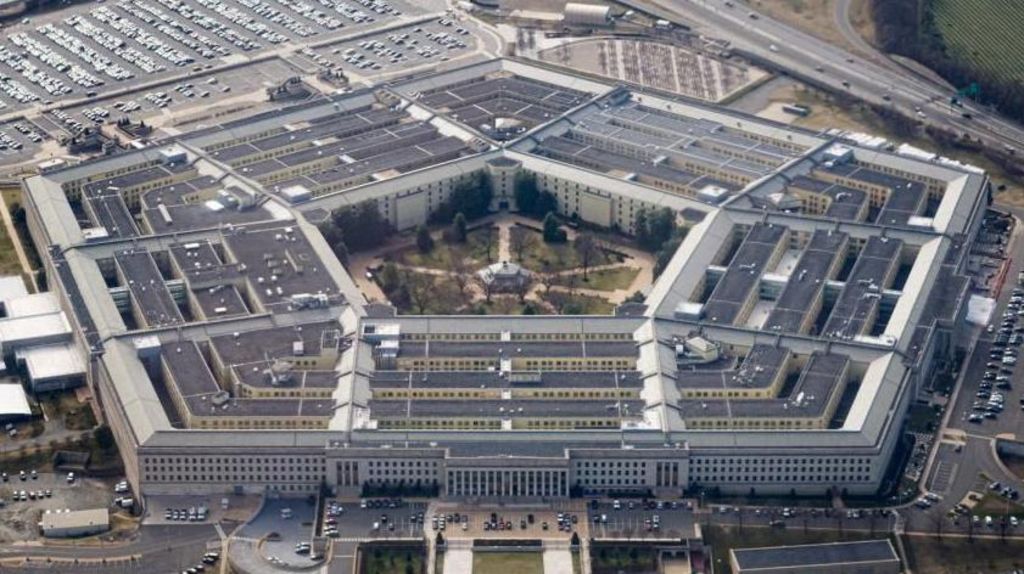
The U.S. Department of Defense has unveiled a transformative National Defense Strategy that fundamentally reorients American security priorities toward domestic protection and Western Hemisphere security. This strategic pivot marks a significant departure from previous frameworks that prioritized countering China as the primary defense concern.
The 34-page document, published quadrennially, establishes homeland security as the Pentagon’s foremost objective rather than focusing on great power competition. While acknowledging China and Russia as security considerations, the strategy approaches relations with Beijing through a lens of ‘strength, not confrontation’ rather than direct opposition. Notably, the document omits specific mention of Taiwan, though it affirms commitment to preventing any nation from dominating the U.S. or its allies.
This revised framework emphasizes burden-sharing among international partners, particularly regarding European security and North Korean deterrence. The strategy characterizes Russia as a ‘persistent but manageable threat’ to NATO’s eastern members while asserting that South Korea should assume primary responsibility for addressing North Korean threats.
The document reflects President Trump’s repeated calls for allied nations to contribute more substantially to collective security arrangements. It explicitly denies representing a move toward isolationism, instead framing the approach as ‘a focused and genuinely strategic approach to the threats our nation faces.’
The strategy identifies specific geographical priorities including the Panama Canal, Gulf of America, and Greenland as areas where the Pentagon will guarantee military and commercial access. This focus aligns with recent administration actions including strikes against suspected drug vessels in the Caribbean and pressure on allies regarding Greenland’s acquisition.
The philosophical underpinnings of the new strategy reject ‘utopian idealism’ in favor of ‘hardnosed realism,’ signaling a definitive break from post-Cold War defense paradigms. This repositioning occurs alongside growing international concern about the erosion of established global order, as expressed by leaders including French President Emmanuel Macron and Canadian Prime Minister Mark Carney at the World Economic Forum.