Recently disclosed diplomatic communications between South Sudan and the United States have revealed the African nation’s extensive list of political requests in exchange for accepting U.S. deportees. The documents, made public by the State Department this month, show South Sudan sought American support for prosecuting opposition leader Riek Machar and sanctions relief for former Vice President Benjamin Bol Mel, who stands accused of diverting over $1 billion in public funds.
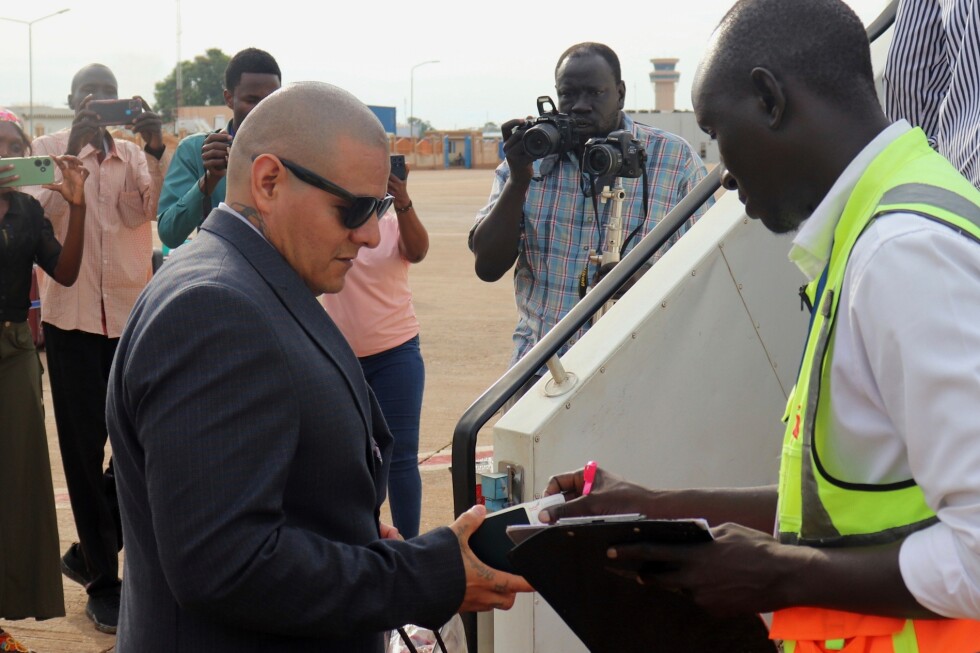
The correspondence details how South Sudan became the first African country to receive third-country deportees from the U.S. in July, followed by Rwanda, Eswatini, Ghana and Equatorial Guinea. The eight deportees sent to Juba included nationals from Mexico, Cuba, Vietnam, Laos, Myanmar, and South Sudan itself. These individuals arrived after spending weeks at a U.S. military base in Djibouti following a temporary court block on their deportation.
In confidential communications dated May 12, South Sudan’s Ministry of Foreign Affairs presented eight specific demands ranging from visa restriction easements to construction of rehabilitation facilities and support in addressing armed civilians. The most politically sensitive requests involved Washington’s backing for Machar’s prosecution and lifting sanctions against Bol Mel, who was recently dismissed and placed under house arrest despite previously being considered a potential presidential successor.
The Machar case has drawn international criticism as a potential violation of the 2018 peace agreement that ended civil war. The UN has warned that renewed fighting has brought South Sudan “back to the edge of a relapse into civil war,” with over 1,800 killed between January and September 2025.
While Human Rights Watch documents show the U.S. agreed to pay Rwanda $7.5 million and Eswatini $5.1 million for accepting deportees, the specifics of the South Sudan arrangement remain undisclosed. Both U.S. and South Sudanese officials have declined to comment on whether any promises were made or benefits provided, with a State Department official citing standard diplomatic practice of keeping such discussions private.
Despite the deportation agreement, relations between the two nations have deteriorated recently, with the U.S. threatening to reduce its substantial aid contributions—totaling approximately $9.5 billion since 2011—over accusations that South Sudan’s government has imposed fees on aid groups and obstructed their operations.