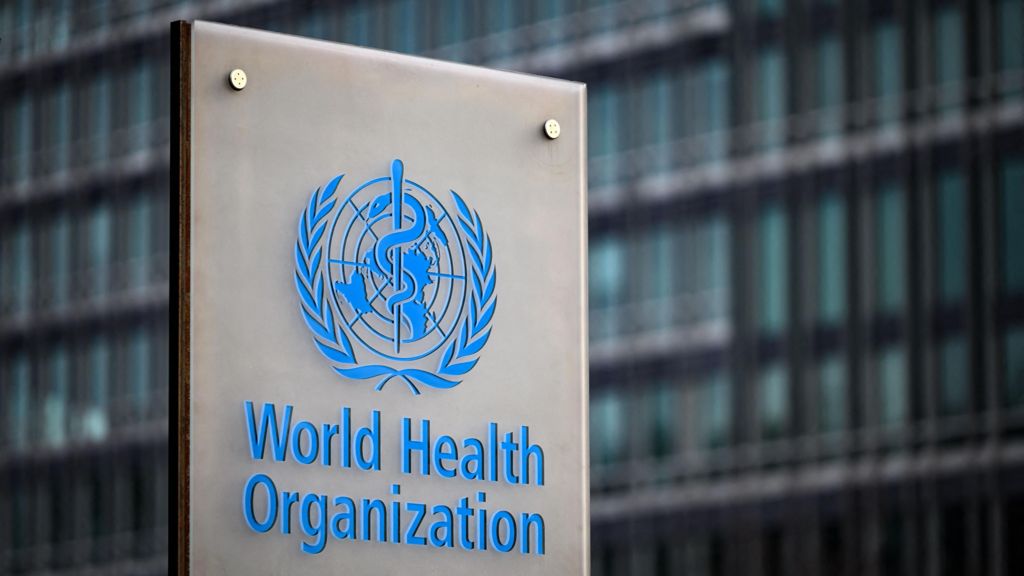
The United States has formally executed its departure from the World Health Organization (WHO), severing ties with the UN health agency and ceasing all financial contributions. This decision, initiated by an executive order from President Donald Trump a year prior, culminates in the withdrawal of U.S. personnel, the termination of funding, and the suspension of hundreds of collaborative engagements.
The Trump administration justified the exit by citing the WHO’s alleged mismanagement of the COVID-19 pandemic, a perceived resistance to reform, and undue political influence from member nations, specifically accusing the organization of a ‘China-centric’ bias. U.S. Health Secretary Robert F. Kennedy and Secretary of State Marco Rubio issued a joint statement asserting that the WHO ‘abandoned its core mission and acted repeatedly against the interests of the United States.’
In response, WHO Director-General Tedros Adhanom Ghebreyesus characterized the withdrawal as a detrimental loss for both global public health and the United States itself. The organization highlighted its historic achievements, including combating polio and HIV/AIDS, reducing maternal mortality, and establishing the international tobacco control treaty.
The financial impact is immediate and severe. The U.S., traditionally the WHO’s largest donor, has withheld its dues for 2024 and 2025, creating an estimated $260 million shortfall that has already triggered significant job losses within the agency. Although WHO legal counsel contends the U.S. is obligated to settle these arrears, Washington has declared it sees no reason to comply.
This move isolates the U.S. from a key multilateral health effort, notably the new international pandemic treaty agreed upon by all other WHO member states in April. The treaty aims to ensure equitable distribution of vaccines and drugs and improve preparedness for future global health crises.
Going forward, U.S. officials stated that engagement with the WHO will be strictly limited to managing the withdrawal process and safeguarding American health. The administration plans to pursue bilateral agreements for disease surveillance and pathogen sharing, though it could not specify any established partnerships. Critical global health initiatives, such as the fight against polio and the development of the annual flu vaccine, will now rely on partnerships with NGOs and faith-based groups, details of which remain undefined.