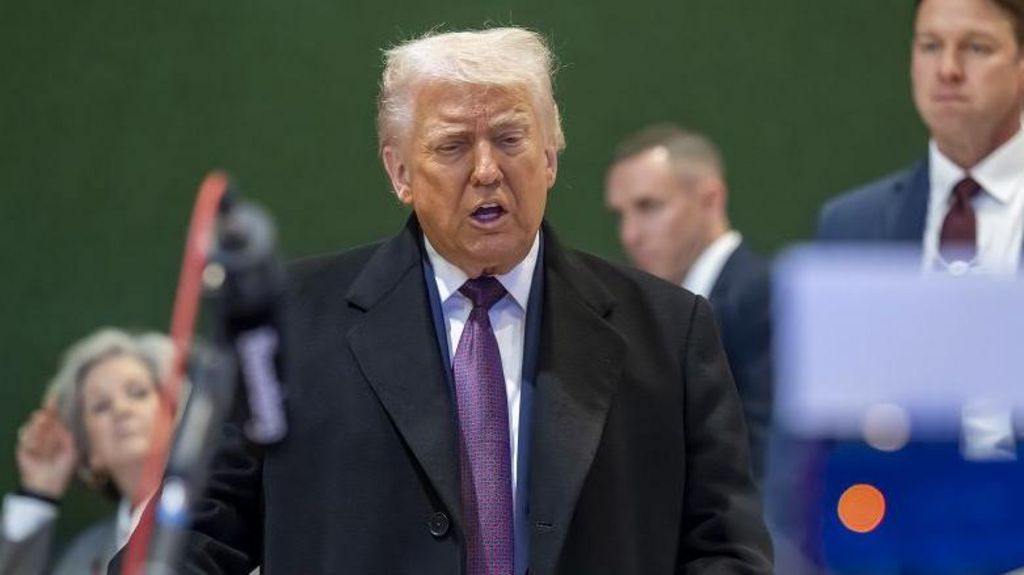
Former US President Donald Trump has ignited a diplomatic firestorm with controversial comments questioning NATO allies’ military contributions during the Afghanistan conflict. In a Fox News interview, Trump asserted that NATO forces remained “a little off the front lines” while American troops bore the brunt of combat operations.
The remarks prompted immediate condemnation from across the British political spectrum. Labour MP Emily Thornberry, chair of the foreign affairs committee, denounced the statements as an “absolute insult” to the 457 British service personnel who lost their lives in Afghanistan. “How dare he say we weren’t on the front line?” Thornberry challenged during BBC’s Question Time, emphasizing that British forces had consistently supported American military objectives.
Conservative MP Ben Obese-Jecty, an Afghanistan veteran, expressed dismay at seeing “our nation’s sacrifice, and that of our NATO partners, held so cheaply.” Liberal Democrat leader Sir Ed Davey similarly condemned Trump’s commentary, noting the former president’s own avoidance of military service while questioning others’ sacrifices.
The controversy emerges against the backdrop of NATO’s collective security response to the 9/11 attacks, which marked the only invocation of Article 5 in the alliance’s history. The UK contributed the second-largest contingent to the Afghanistan mission, suffering the highest casualties among NATO partners after the United States.
Defence Secretary John Healey, speaking before Trump’s latest comments, had emphasized the shared sacrifice: “In Afghanistan, our forces trained together, they fought together, and on some occasions, they died together.” Military veterans including former RAF officer Calvin Bailey challenged Trump’s characterization, stating it bore “no resemblance to the reality experienced by those of us who served there.”
The episode further complicates the already delicate transatlantic relationship as Trump positions himself for a potential return to the White House, with implications for NATO cohesion and future security cooperation.