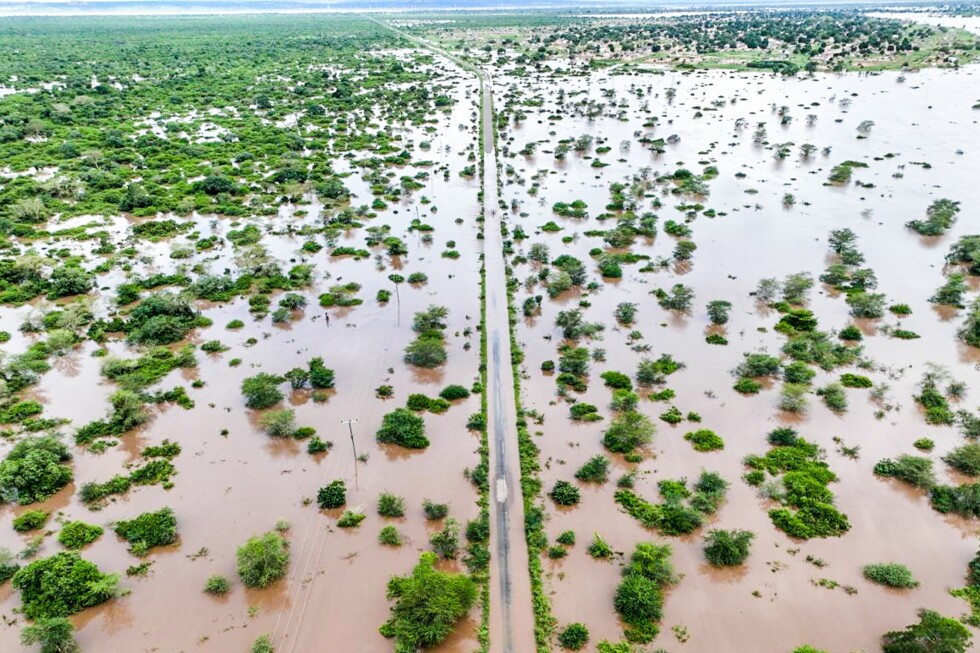
CAPE TOWN, South Africa — A catastrophic weather system has unleashed severe flooding across southern Africa, resulting in a confirmed death toll exceeding 100 individuals and triggering widespread devastation in Mozambique, South Africa, and Zimbabwe. The region has been subjected to unusually intense rainfall since late last year, culminating in what authorities describe as the worst flooding incident in years, with fatalities anticipated to rise as emergency operations persist.
The human impact is profound. South Africa reports over 30 fatalities, while neighboring Zimbabwe has suffered at least 70 deaths from the relentless downpours. Mozambique has officially attributed 13 deaths directly to the floods over a two-week period, though the actual number is believed to be significantly higher. Central and southern Mozambique are among the hardest-hit areas, with the government estimating over half a million citizens have been affected. In the southern Gaza province alone, more than 300,000 people have been displaced, prompting official evacuation orders for several towns. The provincial capital, Xai-Xai, and the agricultural hub of Chokwe have been completely submerged, with only building rooftops visible in satellite imagery. The tourist destination of Marracuene, north of the capital Maputo, is now encircled by water and effectively isolated.
Beyond the humanitarian crisis, the environmental and economic toll is staggering. South Africa’s renowned Kruger National Park, a premier wildlife sanctuary and major tourist destination, has sustained infrastructural damage estimated in the tens of millions of dollars. Environment Minister Willie Aucamp confirmed that sections of the vast, 20,000-square-kilometer park are entirely cut off after roads and bridges were washed away. Staff accommodations and tourist facilities have been destroyed, with a full recovery expected to take several years. A special reconstruction fund has been established. Park officials noted that wildlife, including critically endangered black rhinos, typically migrates to higher ground during floods, though the full impact on animal populations remains unclear. Hundreds of tourists and staff were successfully evacuated, with no reported fatalities within the park.
Cross-border rescue missions are underway to mitigate the disaster. The South African Air Force has deployed helicopters to conduct lifesaving operations in its northern provinces of Mpumalanga and Limpopo, rescuing citizens stranded on rooftops and in trees. The military has extended these efforts into Mozambique, where it has airlifted nearly 500 stranded individuals to safety. The scale of destruction is immense, with thousands of homes obliterated, leading South Africa to declare a national disaster. Engineers are also assessing the structural integrity of a dam in the northeast under severe pressure from the floodwaters, with preemptive evacuations ordered in case of a potential breach.
Humanitarian agencies are raising alarms over secondary crises. The flooding has decimated crops relied upon by millions of subsistence farmers, drastically increasing the threat of widespread hunger. Furthermore, the standing water creates a fertile ground for waterborne diseases, with cholera posing a significant risk. The United Nations Children’s Fund (UNICEF) has highlighted the extreme vulnerability of children among the affected populations in Mozambique, where access to essentials like clean water, food, and healthcare has been severely compromised.