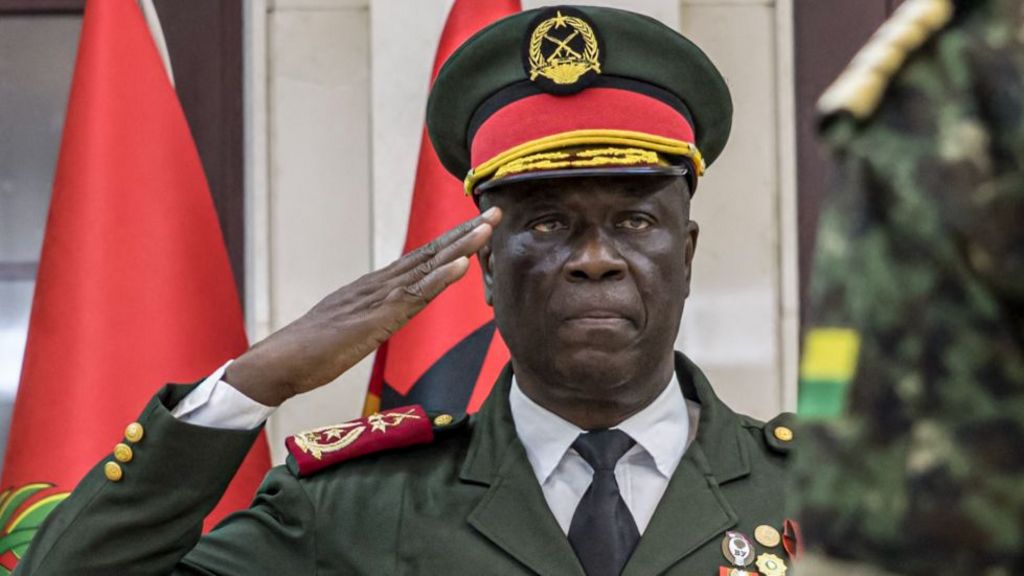
Military authorities in Guinea-Bissau have officially scheduled presidential and legislative elections for December 6th, marking a critical development in the nation’s turbulent political landscape. The announcement comes despite mounting international pressure for an accelerated transition to civilian governance following last November’s coup that ousted President Umaro Sissoco Embaló.
Transitional President Horta N’Tam formalized the electoral timeline through a presidential decree on Wednesday after extensive consultations with the National Transitional Council, military representatives, government officials, and electoral commission members. N’Tam publicly affirmed that all necessary conditions for conducting free and fair elections had been satisfactorily established.
The military junta has faced sustained pressure from the Economic Community of West African States (ECOWAS), which previously rejected the junta’s proposed one-year transition framework. The regional bloc had suspended Guinea-Bissau from its decision-making institutions and threatened additional sanctions unless a shorter transitional period was implemented. The international community now awaits ECOWAS’ formal response to the announced December timeline.
The November 2025 power seizure occurred under controversial circumstances, with military leadership justifying their intervention as necessary to prevent alleged destabilization plots during the tense period preceding official presidential election results. Both incumbent President Embaló and primary opposition candidate Fernando Dias had declared victory simultaneously, creating a political impasse that the military cited as justification for their takeover.
Notably, the transitional charter explicitly prohibits interim leader N’Tam and his appointed prime minister from seeking presidential office. However, regional observers remain skeptical given recent patterns across West Africa where military leaders have frequently extended transitional periods and consolidated political power. The international community continues monitoring whether Guinea-Bissau will break this regional trend and facilitate genuine democratic restoration through transparent electoral processes.