Uganda’s recent general election triggered a nationwide internet shutdown with profound consequences for citizens, businesses, and democratic processes. The government-ordered blackout, officially implemented to ‘ensure peace and protect national stability’ during the electoral period, effectively paralyzed the digital economy and restricted information flow throughout the country.
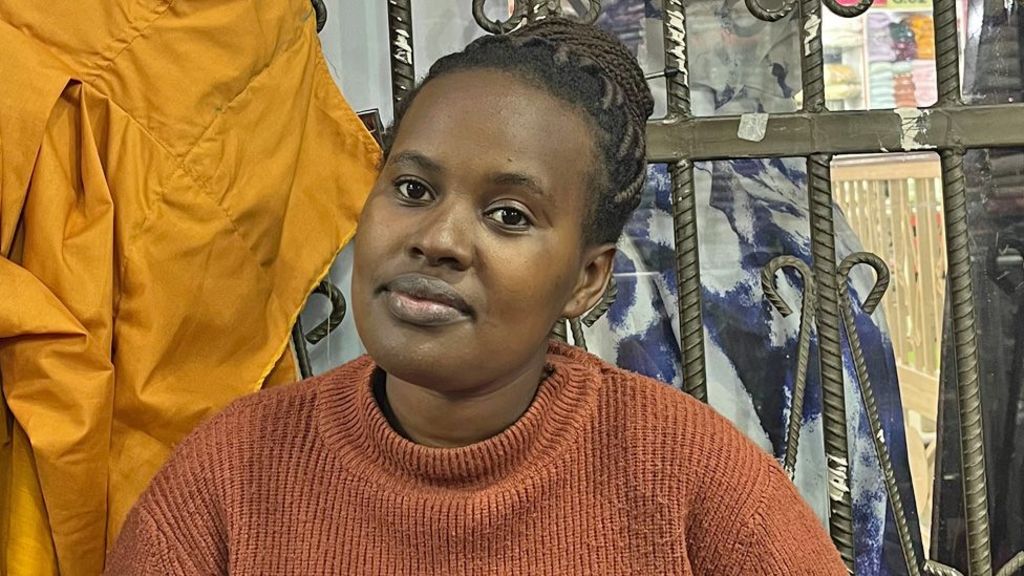
Mobile money agent Mirembe Tracy experienced immediate financial devastation when withdrawal systems disconnected. Her weekly earnings of approximately 450,000 Ugandan shillings (£130) vanished entirely, leaving her unable to pay rent. ‘That money is what I use to pay rent. Losing it was a total loss,’ she told the BBC. Like thousands of others dependent on digital transactions, she found herself with no income source beyond minimal prepaid airtime sales that provide no commission.
The disruption extended throughout Kampala’s economy. SafeBoda, the popular ride-hailing platform for motorcycle taxis, saw its entire server infrastructure rendered inoperative. Co-founders reported that both riders and dependent businesses were forced offline indefinitely. Meanwhile, entrepreneur Namukwaya Olivia, who relies on Instagram, TikTok and WhatsApp to market traditional cultural clothing, described complete operational paralysis: ‘We could not send pictures, we could not receive orders, and we could not make deliveries.’
Journalists faced particularly severe challenges in fulfilling their professional duties. Ngabo Amon described smartphones becoming ‘largely useless’ as research, communication, and content transmission capabilities disappeared. The blackout created an information vacuum that prevented accurate election coverage and real-time reporting of developing situations. Some journalists resorted to physically transporting footage by bus from rural areas to Kampala—a process that rendered news obsolete by arrival time.
The African Union election observation mission noted that the shutdown ‘limited access to information, freedom of association and curtailed economic activities,’ while simultaneously ‘creating suspicion and mistrust’ in the electoral process. President Yoweri Museveni’s landslide victory extended his 40-year rule amid opposition allegations of ‘fake results’ and ‘ballot stuffing.’
Beyond economic and professional impacts, the blackout created personal hardships. Kenyan journalist Caroline Mutai described the psychological toll: ‘The shutdown almost gave me depression.’ Students like Aaron Benitez lost educational connectivity as online learning platforms and communication channels failed. ‘We usually study online, sometimes on Zoom, but during that time everything just stopped,’ he reported.
Even after partial restoration following President Museveni’s victory declaration, many social media platforms remain restricted or slow, driving widespread adoption of VPN services. The episode served as a stark demonstration of how deeply digital accessibility underpins modern life, economic stability, and democratic transparency in contemporary Uganda.