As President Donald Trump completes his second year in office, his unconventional foreign policy approach has drawn striking parallels to a largely forgotten 19th century expansionist movement. The administration’s assertive stance toward neighboring nations—including controversial claims on Greenland, interventions in Venezuela, and coercive rhetoric toward Mexico and Cuba—resonates with the ambitions of the Knights of the Golden Circle, a secret society that flourished during the 1850s.
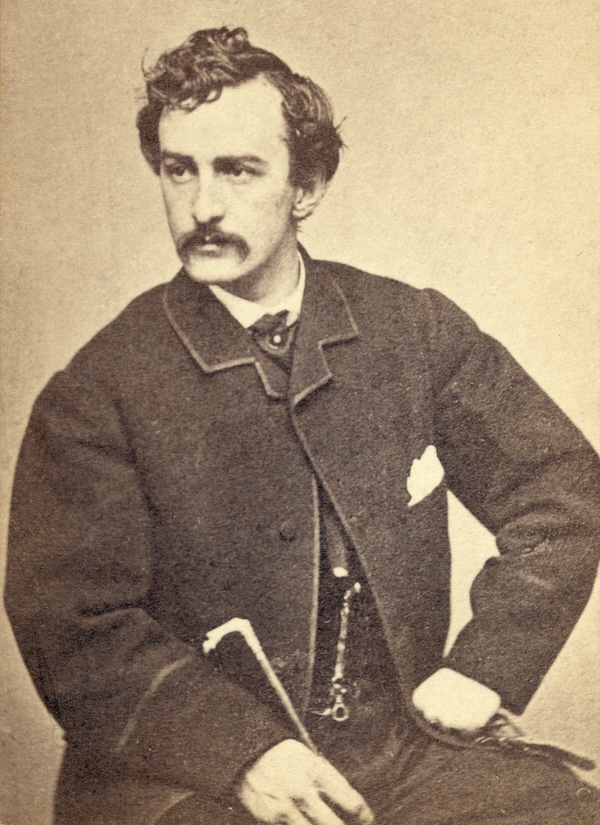
Founded in 1854 by Virginia physician George W.L. Bickley, the Knights envisioned creating a slaveholding empire encompassing the southern United States, Mexico, Central America, the Caribbean, and northern South America. This ‘Golden Circle’ would center its operations in Havana and control global production of lucrative cash crops through enslaved labor. Historical records suggest the organization attracted prominent figures including Confederate general Nathan Bedford Forrest and Abraham Lincoln’s assassin, John Wilkes Booth.
The Knights initially sought to annex territories to strengthen slavery’s political power before pivoting to support Southern secession as tensions escalated. Their ideology combined territorial expansion with white supremacist beliefs, viewing hemispheric dominance as America’s ‘manifest destiny.’
Contemporary analysts note that Trump’s ‘America First’ approach—particularly his personalized ‘Donroe Doctrine’—similarly treats neighboring nations as strategic assets rather than sovereign equals. His administration’s pressure campaigns against Cuba, Venezuela, and Mexico reflect a modern iteration of hemispheric control ambitions, albeit through economic coercion and political influence rather than direct territorial conquest.
What distinguishes Trump’s approach is its transactional rhetoric and dismissal of multilateral norms. Unlike Cold War-era interventions framed in ideological terms, current policy emphasizes tangible gains and unilateral action. This modern manifestation of expansionist thinking demonstrates how historical patterns of American imperialism have adapted to contemporary political contexts while maintaining core assumptions about geographic entitlement and hemispheric dominance.