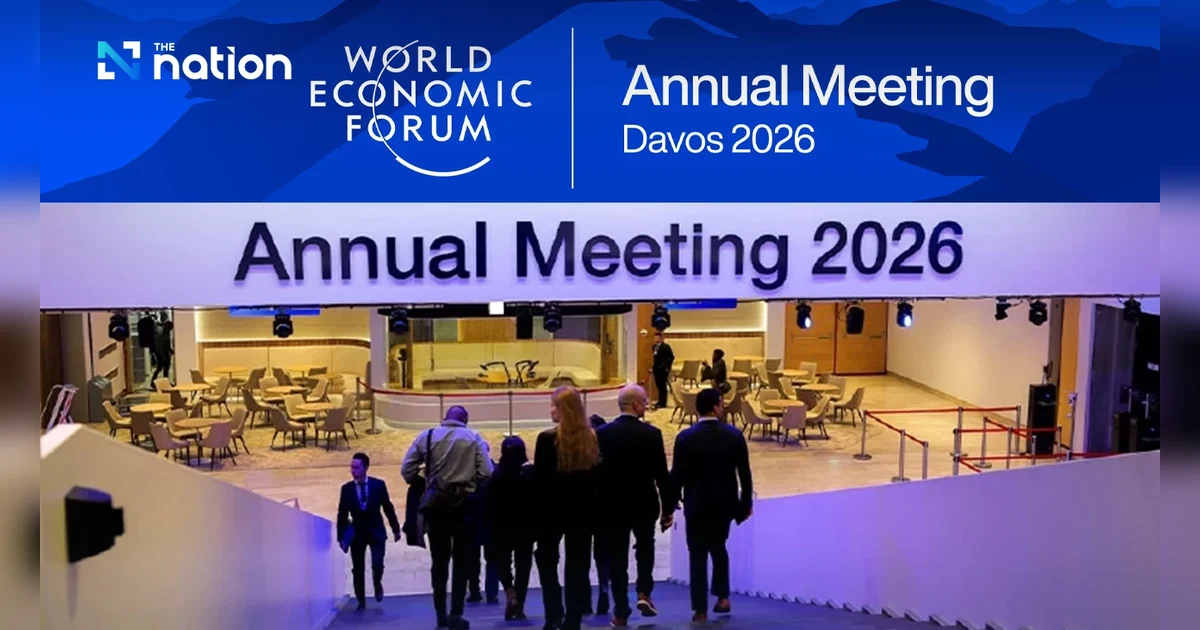
Davos, Switzerland – The 2026 World Economic Forum has become a pivotal convergence point for global economic leadership, with corporate chiefs and government leaders including US President Donald Trump gathering to shape international economic discourse. The United Arab Emirates has deployed one of its largest delegations in history, joining fellow GCC nations with over 100 ministers and senior executives representing both public and private sectors.
The GCC region’s growing influence forms a central narrative at this year’s forum, with regional CEOs highlighting the transformative power of collaborative dialogue in economic development. Sebastian Goeres, CEO of LGT (Middle East) Ltd., emphasized that the GCC’s unique position at the crossroads of global capital flows and cultures has fueled remarkable progress, particularly as emerging technologies and new leadership generations reshape the economic landscape.
Logistics transformation represents another critical dimension, with AbdulAziz Busbate, CEO of DHL Express Mena, noting the GCC’s emergence as a dynamic hub amid global supply chain restructuring. The region is making significant investments in creating smarter, more sustainable trade flows, with technological acceleration and sustainability expectations driving this evolution.
Financial innovation stands as a cornerstone of the GCC’s economic advancement. Hasan Fardan Al Fardan, CEO of Al Fardan Exchange, highlighted how regulatory collaboration has accelerated the development of open finance frameworks, real-time payment systems, and regulated financial innovations including AED-backed stablecoins. This cooperative model between regulators and institutions has been instrumental in building digital trust while ensuring responsible scaling of innovation.
The tangible outcomes of this collaborative approach are already materializing. Michael Hunter, CEO of Holo, revealed that the UAE economy is projected to exceed 5% growth in 2026, driven by robust non-oil sectors including real estate and technological innovation. Advanced digital frameworks are streamlining property transactions and mortgage processing, while strategic initiatives in smart city development and artificial intelligence adoption are shaping future market landscapes.
Across sectors, business leaders agree that meaningful dialogue between policymakers, regulators, and innovators remains essential for creating efficient, inclusive, and future-ready markets. This collaborative spirit, deeply embedded in the GCC’s economic trajectory, positions the region as a defining force in global economic progress through 2026 and beyond.