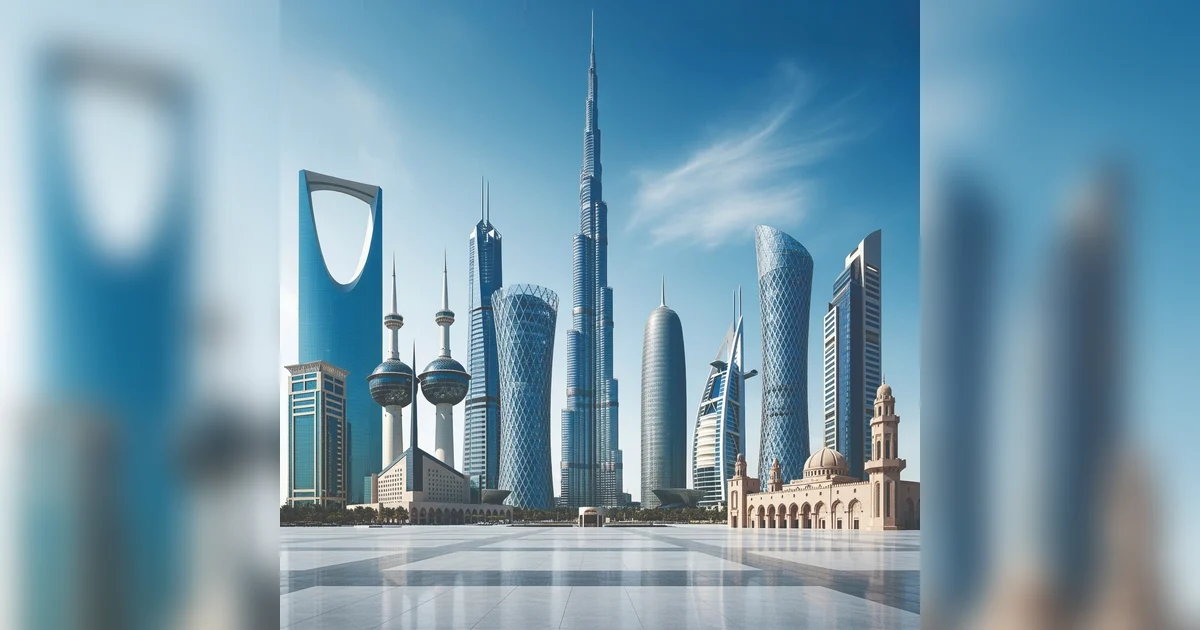
The Gulf Cooperation Council (GCC) region is undergoing a transformative architectural renaissance, with skyscrapers evolving from symbolic landmarks into strategic infrastructure driving economic diversification. This vertical expansion represents a fundamental reimagining of urban development rather than mere height competition.
Saudi Arabia has unveiled plans for an unprecedented architectural marvel—a two-kilometer tower in Riyadh that would double the height of Dubai’s Burj Khalifa. With an estimated $5 billion budget and a site selected near King Khalid International Airport, this project signals Riyadh’s ambition to become a global business hub. International architectural firms including Skidmore Owings and Merrill are already contributing conceptual designs for what would become the tallest structure in human history.
Meanwhile, Dubai continues to reinforce its skyscraper expertise with Burj Azizi, a 725-meter vertical district featuring 130 floors of luxury residences, seven-star hotel suites, retail centers, and cultural spaces. The project’s commercial success was immediate, with a penthouse selling for Dh63 million on launch day, demonstrating sustained market demand for integrated vertical living environments.
The United Arab Emirates has achieved global recognition, overtaking the United States as the second-ranking country for supertall buildings (exceeding 300 meters) according to the Council on Tall Buildings and Urban Habitat. With over 30 such structures—most built within the past decade—the UAE has established itself as a leader in futuristic design and engineering excellence.
Beyond height records, GCC architects are developing culturally resonant designs. Dubai’s Muraba Veil tower, standing at 380 meters with a width of just 22.5 meters, represents this new direction. Designed by Pritz Prize-winning RCR Arquitectes, the tower incorporates regional architectural traditions through its stainless steel veil and internal courtyard design.
This vertical transformation is driven by multiple structural factors: economic diversification requirements, population growth outpacing horizontal expansion capabilities, transit-oriented planning, and sustainability frameworks favoring compact cities. By 2030, the skylines of Riyadh, Jeddah, Dubai, Abu Dhabi, and Doha will reflect this strategic shift toward intentional, culturally grounded, and economically functional high-rise development that supports tourism, finance, and global business operations.