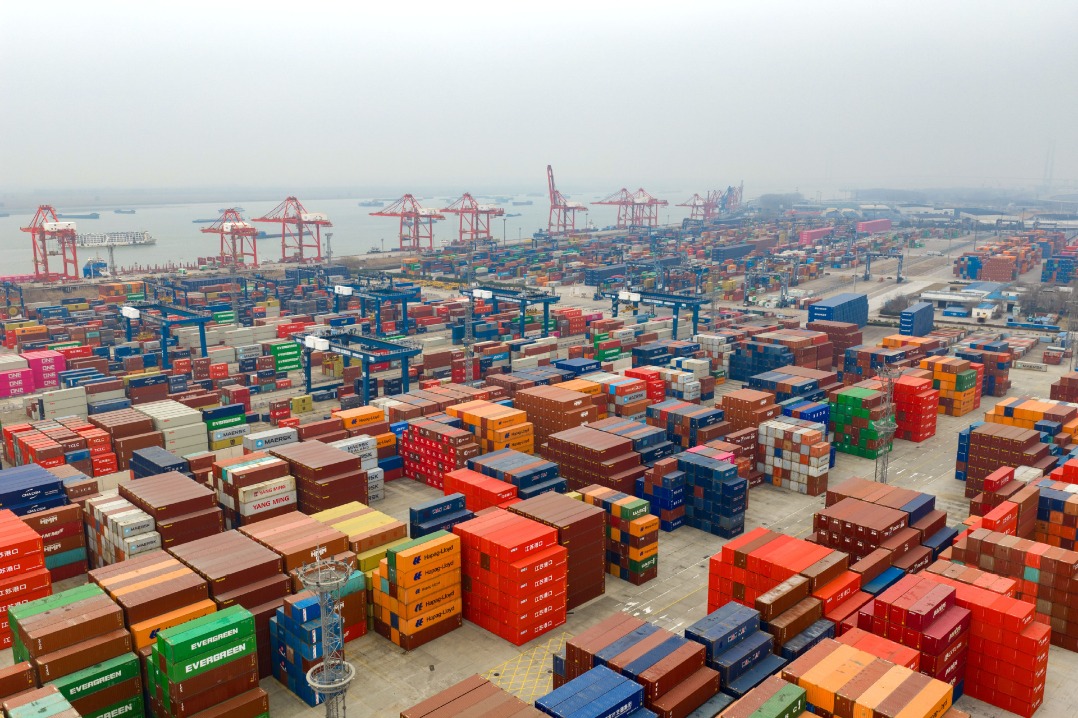
The International Monetary Fund has significantly upgraded China’s economic growth forecast for 2026 to 4.5%, marking a 0.3 percentage point increase from its previous October projection. This optimistic revision, detailed in the IMF’s latest World Economic Outlook update, stems from two primary factors: the substantial easing of US-China trade tensions and China’s sustained domestic policy stimulus measures.
The improved outlook reflects the tangible impact of reduced effective US tariff rates on Chinese exports, following the yearlong trade truce agreement established between the two economic superpowers in November. Additionally, China’s consistent implementation of economic stimulus packages over a two-year period has contributed significantly to this upward revision. The IMF simultaneously raised China’s 2025 growth projection by 0.2 percentage points to 5%.
This positive assessment aligns with recent data from China’s National Bureau of Statistics, which reported the country’s GDP reached a historic $20.01 trillion in the previous year, achieving 5% growth. NBS Director Kang Yi emphasized China’s deployment of “more proactive and effective macro policies” to counter external environmental shifts and domestic challenges, noting that China remains “among the world’s most stable and reliable engines of global expansion” with an estimated 30% contribution to worldwide growth.
The global economic landscape shows parallel resilience, with the IMF projecting worldwide growth at 3.3% for 2026, slightly above October’s forecast. This improvement is largely driven by stronger-than-expected performances in both the United States and China. The US received its own upgrade to 2.4% growth for 2026, attributed to fiscal policy support, lower interest rates, and diminishing effects of earlier trade barriers.
IMF Chief Economist Pierre-Olivier Gourinchas and colleague Tobias Adrian noted in an accompanying analysis that the global economy has “largely shaken off the immediate impact of the tariff shock,” crediting this resilience to easing trade tensions, substantial fiscal support, favorable financial conditions, and “the agility of the private sector” in adapting to disrupted trade flows.
Looking forward, the IMF anticipates China’s growth will moderate to 4% in 2027 as structural challenges emerge. The report also highlighted artificial intelligence investment as a key growth driver, particularly in the United States where IT investment has reached its highest share of economic output since 2001. This technology boom is creating cross-border benefits through increased demand for components and equipment, particularly boosting Asia’s technology exports.
The IMF outlined both potential upside scenarios, where AI could boost global activity by approximately 0.3% if productivity gains materialize, and downside risks where valuation corrections coupled with tighter financial conditions could reduce global growth by about 0.4%.