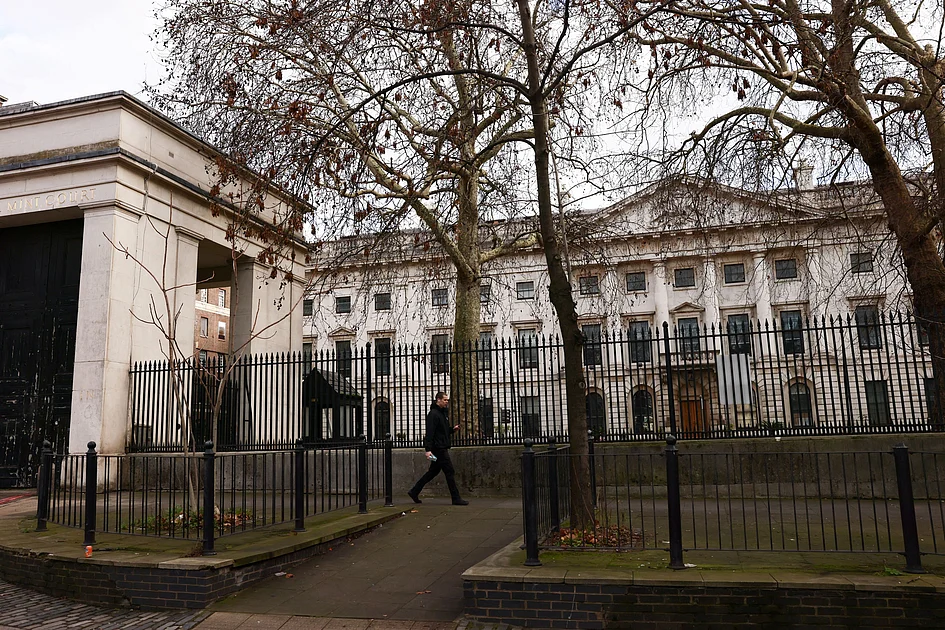
The UK government has granted final approval for China’s expansive new embassy complex in central London, concluding an eight-year deliberation process marked by intense security debates and public opposition. Housing Minister Steve Reed formally authorized the contentious project on Tuesday, permitting Beijing to consolidate its seven current London diplomatic sites into a single 20,000-square-meter compound that will become Britain’s largest embassy by area.
The decision follows protracted negotiations addressing national security considerations, with British intelligence agencies implementing what a government spokesperson characterized as ‘an extensive range of measures to manage any risks.’ The Chinese government has agreed to centralize its diplomatic operations, a move officials claim provides ‘clear security advantages’ through consolidated oversight.
Despite government assurances, the project faces potential legal challenges from local residents and human rights advocates. The Royal Mint Court Residents’ Association has declared its intention to contest the approval in court, while Conservative MP Iain Duncan Smith condemned the decision as ignoring ‘the appalling brutality of the Chinese Communist Party.’
Critics have raised alarms about potential surveillance capabilities and harassment of dissidents, with The Daily Telegraph reporting unredacted plans indicating 208 underground rooms including a ‘hidden chamber.’ The project has become a delicate diplomatic issue for Prime Minister Keir Starmer, who seeks to reset relations with China while acknowledging the ‘real national security threats’ it poses. Starmer is reportedly planning the first UK prime ministerial visit to China since 2018, though Downing Street has not confirmed the trip.
Hong Kong exiles in London have expressed particular concern about transnational repression, with protesters describing genuine fear of Chinese government overreach. The embassy approval represents both a practical consolidation of diplomatic facilities and a symbolic gesture in UK-China relations, which deteriorated under the previous Conservative administration before Labour’s 2024 election victory.