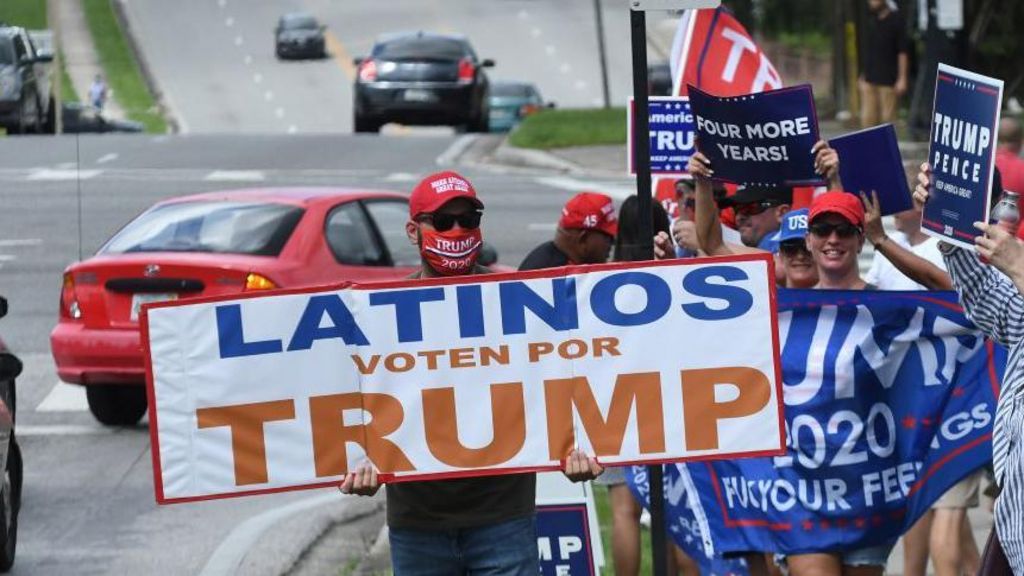
A significant shift is occurring within the Latino electorate that helped propel Donald Trump to victory in the 2024 presidential election. New polling data from CBS News reveals a notable decline in support, with approval among Latino voters dropping to 38%—a substantial decrease from the 49% recorded in February following his inauguration. This demographic, representing over 36 million people and constituting the largest non-white voting bloc in the United States, appears to be reconsidering its allegiance to the Republican administration.
The economic concerns that initially drove Latino voters toward Trump have now become his administration’s greatest vulnerability. While 93% of Latino Trump voters cited the economy as their primary issue during the 2024 election according to Pew Research, current CBS polling shows 61% now disapprove of Trump’s economic management, with 69% expressing dissatisfaction with his handling of inflation. Despite White House officials highlighting lower gas prices, tariff revenue, and foreign investment as successes, many Latino voters report continued financial strain.
Moses Santana, a resident of a predominantly Latino neighborhood in North Philadelphia, observed that ‘things are still getting tight… people who are low-income are definitely feeling the impact of the prices.’ This sentiment was echoed by John Acevedo, a 74-year-old California realtor who noted that ‘He promised they would come down. They haven’t.’
The administration’s immigration enforcement operations have further complicated the relationship with Latino voters. With over 600,000 deportations between January and early December 2024 and widespread ICE raids, 70% of Latinos disapprove of Trump’s immigration handling according to CBS data—significantly higher than the national average of 58%. While some supporters defend these measures as protecting legal immigrants’ jobs, others like Oscar Byron Sarmiento, a Houston electrician, believe the approach has ‘gone a little bit extreme.’
Republican strategist Mike Madrid, a prominent observer of Latino politics, suggests that ‘The Latino shift right was more a function of Latinos leaving the Democratic Party [due to the economy] than it was a function of being compelled by the Republican Party.’ He notes that Latino voters, having the ‘weakest partisan anchor of any group,’ are willing to reject both parties when they feel failed.
As the administration approaches midterm elections, addressing this erosion of support presents a significant challenge. Even staunch supporters acknowledge growing concerns, with Crystal Sarmiento noting that ‘Right now Trump is trending in a lower direction, simply because of not being able to get in front of the messaging.’ The administration’s ability to address economic anxieties and modify its approach to immigration may determine whether it can reclaim the Latino support that proved decisive in 2024.