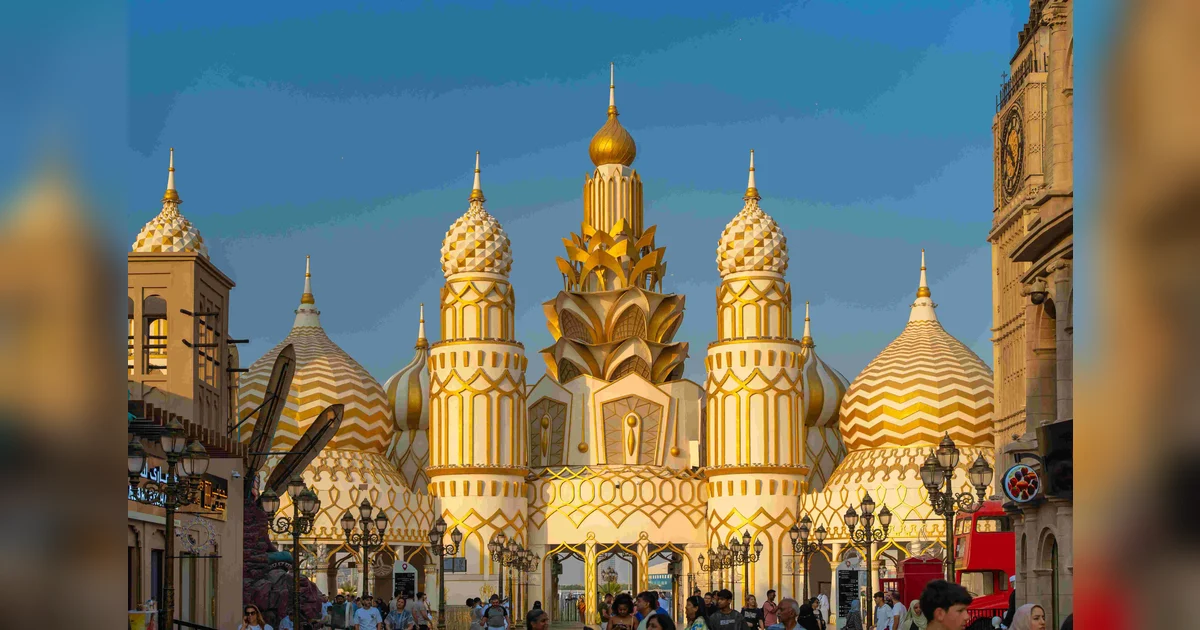
The Gulf Cooperation Council (GCC) has achieved unprecedented growth in its tourism sector, with revenues surging to $120.2 billion in 2024, substantially exceeding pre-pandemic performance levels. This remarkable recovery, representing a 39.6% increase over 2019 figures and an 8.9% year-on-year rise, underscores the region’s successful economic diversification efforts, with the United Arab Emirates acting as the primary catalyst for expansion.
According to data released by the Statistical Centre for the Cooperation Council for the Arab States of the Gulf (Gulf-Stat), international tourist arrivals reached 72.2 million in 2024, marking a dramatic 51.5% increase compared to pre-crisis levels and elevating the GCC’s share of global tourism to 5.2%. This robust growth trajectory has been driven by strategic investments in aviation infrastructure, liberalized visa policies, and the development of diverse tourism offerings spanning luxury hospitality, cultural experiences, and eco-tourism.
The UAE has positioned itself at the forefront of this transformation, leveraging its status as a global aviation hub while aggressively expanding into new tourism segments. Dubai and Abu Dhabi continue to break visitor records, supported by increased airline capacity, major international events, and continuous investment in hospitality infrastructure. The World Travel & Tourism Council projects the UAE’s sector will continue outperforming regional averages in coming years.
Regional travel within the GCC bloc has emerged as a significant growth driver, accounting for 41.3% of total international tourist flows. This intra-regional mobility has grown at an average annual rate of 51.2% between 2019 and 2024, facilitated by joint tourism initiatives and cross-border events. International source markets remain diversified, with the Middle East contributing 18.8% of inbound tourists, followed by Europe (14.6%) and Asia-Pacific (14.5%).
The tourism boom has triggered substantial infrastructure development across the region. Hotel establishments have expanded to 11,200 properties offering approximately 711,500 rooms, while tourism-related employment has grown to 1.7 million workers in 2024—a 33% increase from 2020. This expansion highlights the sector’s growing importance as a major employer and catalyst for ancillary industries including transportation, retail, and food services.
Tourism’s direct economic contribution has reached $93.5 billion, representing 4.3% of total regional GDP and achieving 64.1% of the GCC’s Tourism Strategy 2030 targets. The sector has become instrumental in reducing hydrocarbon dependence and building more resilient, service-oriented economies.
Key performance indicators demonstrate strengthening sector fundamentals, with average tourist stays reaching 8.4 nights and spending per visit averaging $674.60. Gulf-Stat reports the GCC has achieved between 56% and 78% of its 2030 benchmarks across cultural tourism, eco-tourism, and business travel categories.
The outlook for 2026 remains optimistic, with the IMF and global travel organizations predicting Middle East tourism will continue expanding faster than the global average. This growth is expected to be sustained by rising middle-class travel demand, expanding airline networks, and continued government investment in mega tourism projects, particularly in the UAE where developments in sustainable travel infrastructure are cementing its position as the region’s dominant tourism hub.