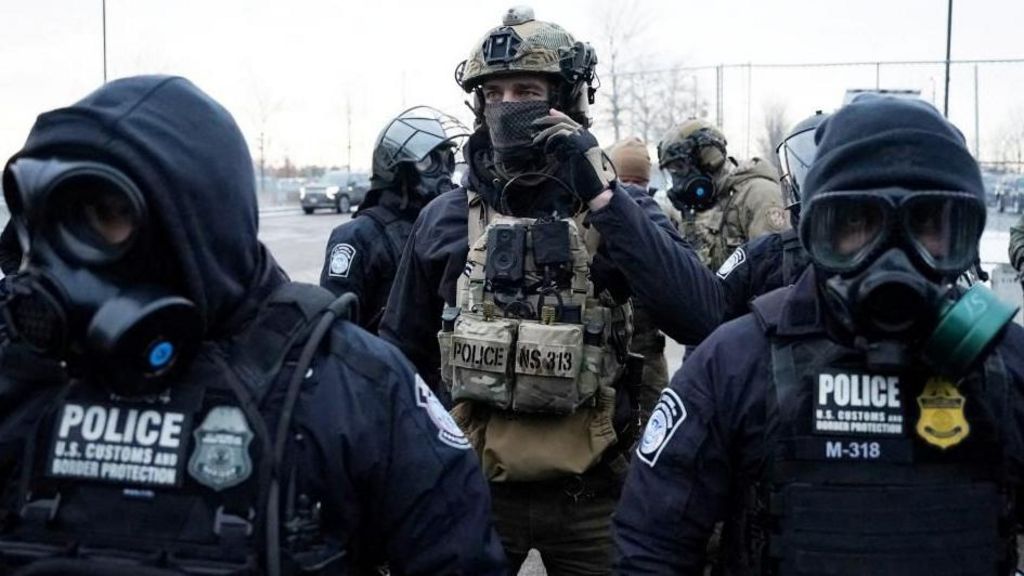
Approximately 1,500 soldiers from the 11th Airborne Division stationed at Fort Wainwright, Alaska, remain on high alert for potential deployment to Minneapolis, according to a U.S. defense official. This military contingency plan comes as ongoing demonstrations against Immigration and Customs Enforcement (ICE) operations continue to unfold throughout the city.
The possible activation of active duty personnel represents one of several options available to the administration should civil unrest escalate. No final decision regarding troop deployment has been made at this time.
These developments follow the fatal shooting of U.S. citizen Renee Good by an ICE agent earlier this month. Good was reportedly acting as a legal observer monitoring ICE activities at the time of the incident. While protest organizers have characterized her as a civilian observer, federal authorities have controversially labeled her a “domestic terrorist.”
In response to the escalating situation, Minnesota Governor Tim Walz has already mobilized the state’s National Guard and deployed additional law enforcement personnel to maintain order during protests. Simultaneously, the judicial branch has intervened through a federal court order issued by Judge Katherine Menendez. The ruling explicitly prohibits ICE agents from employing certain crowd control measures—including arrests and pepper spray—against peaceful demonstrators and observers.
City officials have repeatedly urged protesters to maintain orderly and peaceful conduct during demonstrations, which have spread beyond Minneapolis with signs demanding “Justice for Renee” appearing at rallies nationwide. The ongoing tensions reflect deepening national divisions regarding immigration enforcement policies and practices.