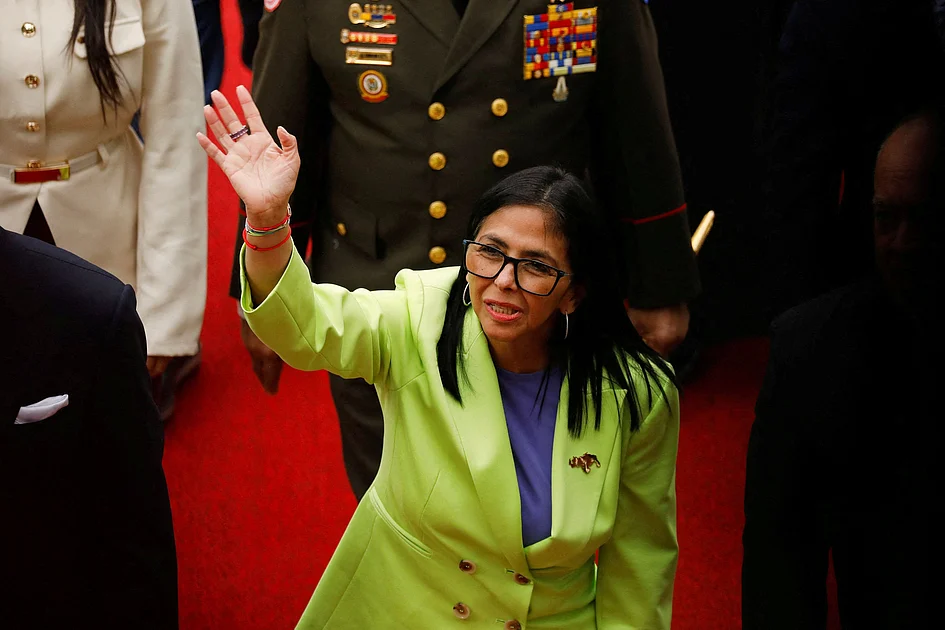
In a significant move to address critical foreign exchange shortages, Venezuela’s interim government has authorized the distribution of $300 million in oil revenues to four private banks for sale on the exchange market. The funds, sourced from recent oil sales and held in a Qatari account, will be allocated to financial institutions to provide dollars to domestic companies requiring foreign currency for essential imports and raw materials.
Interim President Delcy Rodríguez confirmed the strategy on Friday, stating that oil revenues would now be channeled through the central bank before reaching private banks via the foreign-exchange market mechanism. This decision follows weeks of severe dollar scarcity exacerbated by U.S. seizures of Venezuelan oil tankers and disruptions to the country’s primary revenue stream.
The allocation forms part of a broader $2 billion agreement with the United States, which has already completed $500 million in sales of Venezuelan oil following the political transition that saw Nicolás Maduro ousted and Rodríguez sworn in as interim leader. The U.S. administration anticipates Venezuela will sell between 30 million and 50 million barrels under this arrangement.
Economist Alejandro Grisanti, director of Caracas-based firm Ecoanalítica, revealed via social media that $500 million had been deposited in the Qatar trust account, with $300 million designated for distribution to four major private banks. Financial sources indicate each institution will receive approximately $75 million in coming days.
The bolívar’s dramatic 83% depreciation throughout 2025 has accelerated price increases and created urgent need for dollar access. While Venezuela previously permitted dollar-linked cryptocurrencies like USDT on exchange markets following limited U.S. licensing agreements, even these crypto flows have recently diminished. Analysts suggest traditional dollar allocations may now reduce reliance on cryptocurrency mechanisms.
Rodríguez has simultaneously proposed hydrocarbons law reforms to stimulate oil investment, indicating portions of oil revenues will also fund social projects and infrastructure development, potentially signaling broader economic restructuring under the interim administration.