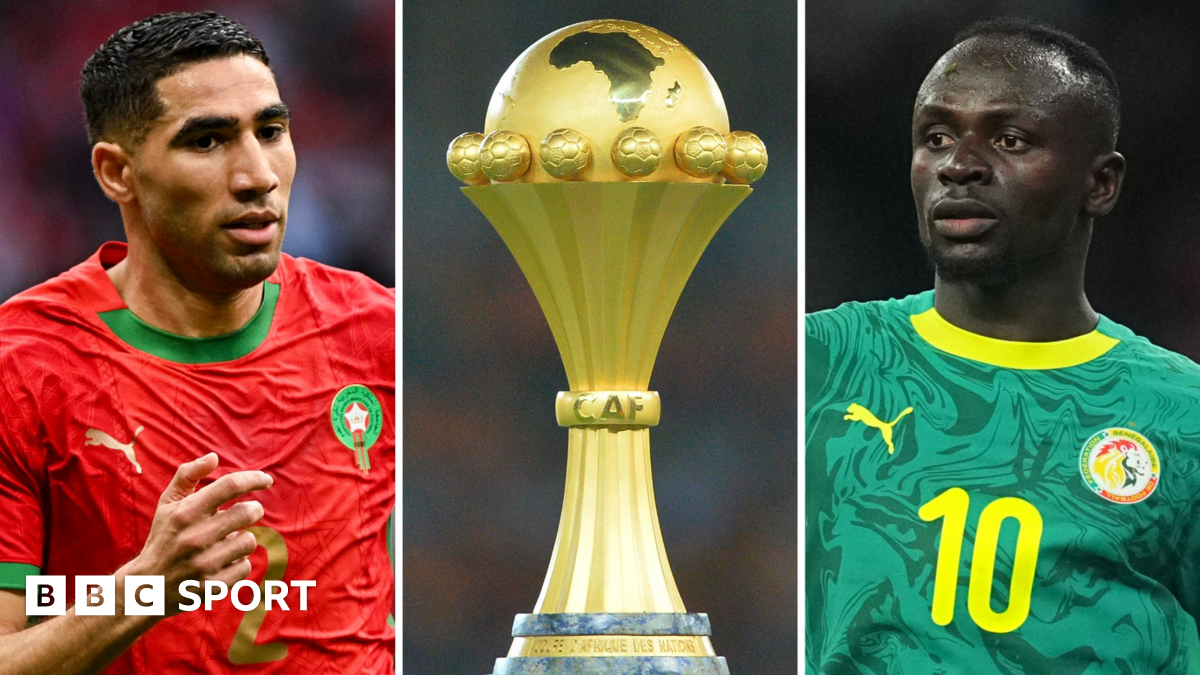
The stage is set for a monumental showdown in African football as Morocco and Senegal prepare to battle for continental supremacy in the 2025 Africa Cup of Nations final this Sunday in Rabat (19:00 GMT). This clash between the continent’s top-ranked teams represents more than just a football match—it embodies decades of investment, national pride, and footballing legacy.
Morocco, ranked 11th globally, enters the final seeking to end a half-century wait for their second AFCON title, their sole triumph dating back to 1976. Defender Romain Saiss encapsulated the national sentiment, telling BBC World Service: ‘We are waiting for this trophy for 50 years now. It’s the dream of all Moroccans.’ The Atlas Lions have built their campaign on defensive excellence, conceding only one goal throughout the tournament—a penalty—while maintaining five clean sheets.
Their opponents, Senegal’s Teranga Lions, stand just eight places behind in global rankings and seek their second AFCON crown after claiming their maiden trophy in 2021. The West Africans boast formidable offensive prowess, having netted 12 times en route to the final. Their progression was secured by veteran forward Sadio Mané, who scored the decisive semi-final goal against Egypt, replicating his heroics from the 2021 final penalty shootout.
The match represents a clash of contrasting philosophies. Morocco’s journey reflects a royal-backed, systematic investment in football infrastructure initiated by King Mohammed VI in 2008. This long-term project has yielded remarkable successes: a World Cup semi-final appearance in 2022, Olympic bronze, U-20 World Cup victory, and three consecutive African Nations Championship titles. Yet the senior team’s AFCON trophy has remained elusive despite these achievements.
Senegal meanwhile combines experienced champions from their 2021 triumph with emerging talents. While suspended captain Kalidou Koulibaly and midfielder Habib Diarra will miss the final, the team retains key figures including goalkeeper Édouard Mendy and midfielder Idrissa Gueye.
Technical leadership adds another compelling narrative layer. For the fourth consecutive edition, the winning coach will be African, with Morocco’s Walid Regragui or Senegal’s Pape Thiaw poised to join recent African-winning managers. Regragui, who experienced AFCON final defeat as a player in 2004, has faced considerable pressure to deliver the trophy despite Morocco’s overall footballing renaissance.
The Prince Moulay Abdellah Stadium’s expected 69,500-capacity crowd will provide a formidable atmosphere for the hosts, who haven’t lost a competitive home match since 2009. Morocco features tournament top scorer Brahim Díaz, captain Achraf Hakimi, and goalkeeper Yassine Bounou—recently crowned Africa’s best goalkeeper for the second time.
Beyond the glory and continental bragging rights, the champions will receive $10 million in prize money—a $3 million increase from the previous tournament. For one nation, Sunday’s final represents the culmination of decades of waiting; for the other, an opportunity to solidify their status as Africa’s footballing powerhouse.