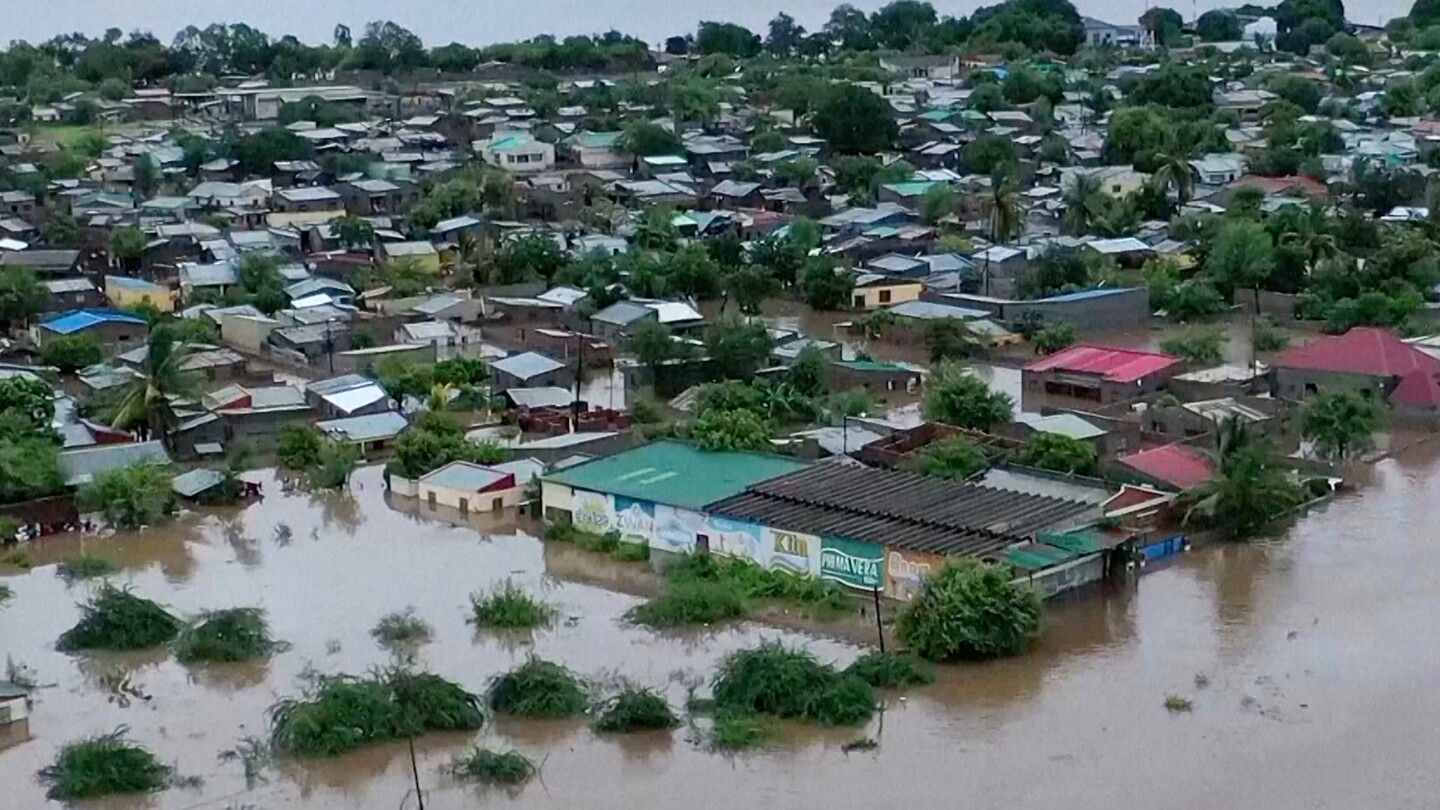
Southern Africa is confronting a severe humanitarian crisis as relentless torrential rains have triggered catastrophic flooding across multiple nations, resulting in a confirmed death toll exceeding 100 individuals. The disaster has inflicted widespread devastation in South Africa, Mozambique, and Zimbabwe, with authorities issuing urgent warnings of impending severe weather conditions.
In South Africa, the calamity has claimed at least 19 lives, primarily in the northern Limpopo and Mpumalanga provinces. President Cyril Ramaphosa, during a visit to the stricken Limpopo region, described scenes of utter destruction, noting one district where 36 houses were completely erased from the landscape. The South African Weather Service has escalated alerts to a red-level 10 warning, anticipating further life-threatening downpours and potential infrastructure collapse.
The renowned Kruger National Park, spanning approximately 22,000 square kilometers, has been severely compromised. Park authorities have executed helicopter evacuations, rescuing approximately 600 tourists and staff members from flooded camps to higher ground. While the park reported no casualties, extensive damage to roads, bridges, and facilities has forced its complete closure to visitors.
Neighboring Mozambique faces the most severe impact, with its Disaster Management Institute reporting 103 fatalities from various rain-related incidents including electrocution, drowning, structural collapses, and a cholera outbreak. The World Food Program estimates over 200,000 people have been affected in central and southern regions, with tens of thousands of homes damaged and widespread evacuations underway.
Zimbabwe’s disaster agency confirmed 70 deaths and the destruction of more than 1,000 homes, alongside critical damage to educational institutions and transportation networks. The crisis has extended to Madagascar, Malawi, and Zambia, where additional fatalities have been reported.
Meteorologists attribute the extreme weather pattern to the La Niña phenomenon, which historically delivers intensified rainfall to southeastern Africa. The U.S. Famine Early Warning System has noted flooding occurrences or expectations across at least seven nations in the region.
The compounding disasters have exacerbated existing vulnerabilities. The World Food Program highlighted that over 70,000 hectares of crops in Mozambique have been waterlogged, severely impacting rice and corn production and deepening food insecurity for thousands of subsistence farmers. This event continues a troubling pattern of extreme weather in southern Africa, including recent cyclones and droughts that have strained the region’s resilience and food security.