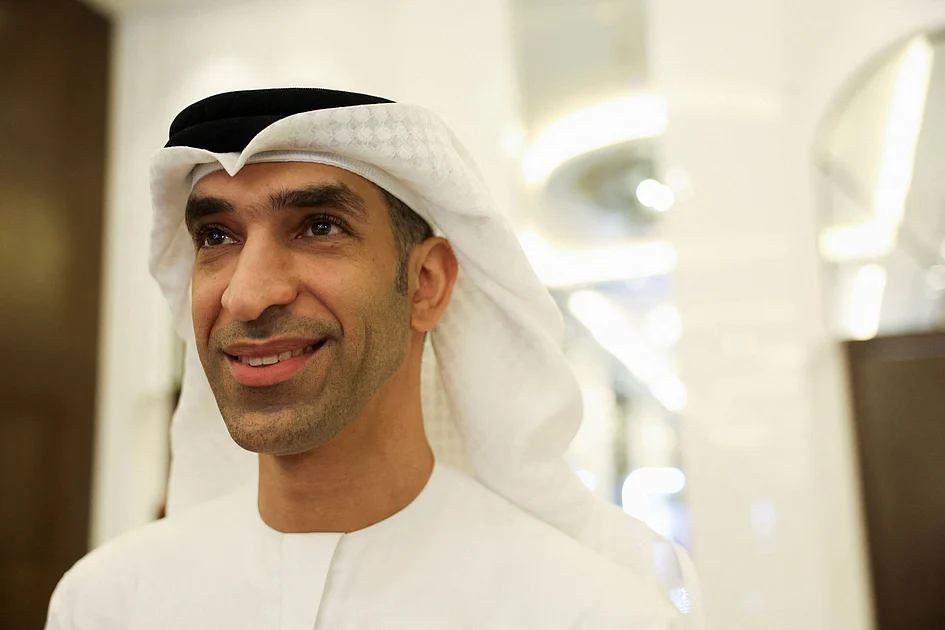
United Arab Emirates Foreign Trade Minister Thani Al Zeyoudi expressed uncertainty regarding the implementation specifics of former US President Donald Trump’s recently announced trade tariffs targeting nations conducting business with Iran. The declaration came during a public address where the minister acknowledged ongoing assessments of the potential ramifications.
This development follows Trump’s proclamation on his Truth Social platform imposing an immediate 25% tariff on all countries engaging in commercial relations with Iran. The measure represents an escalation of pressure tactics against Tehran concerning its handling of widespread domestic protests.
Minister Al Zeyoudi emphasized the current lack of clarity surrounding the tariff structure and its potential application to UAE food imports. The UAE maintains significant trade relations with both the United States and Iran, creating a complex economic balancing act. The Emirates exports substantial quantities of aluminum and gold to American markets, with aluminum already subject to existing 50% duties. Additional tariffs could further inflate prices for this essential industrial metal.
As Iran’s second-largest trading partner after China, the UAE maintains substantial commercial ties with its neighbor. Food and agricultural products constitute major import commodities from Iran, making supply chain security a primary governmental concern. Al Zeyoudi indicated that once formal details emerge, authorities will prioritize evaluating impacts on food product availability, pricing structures, and overall market stability.
The minister further noted the interconnected nature of trade and diplomatic relations with neighboring Iran, suggesting that soft power considerations would factor into comprehensive impact assessments. While private enterprises would conduct independent risk analyses, the government’s focus remains on ensuring commodity availability and affordability for domestic markets regardless of corporate decisions regarding continued Iranian trade.
Al Zeyoudi confirmed the administration’s commitment to developing alternative supply solutions to maintain market stability amid the evolving trade policy landscape.