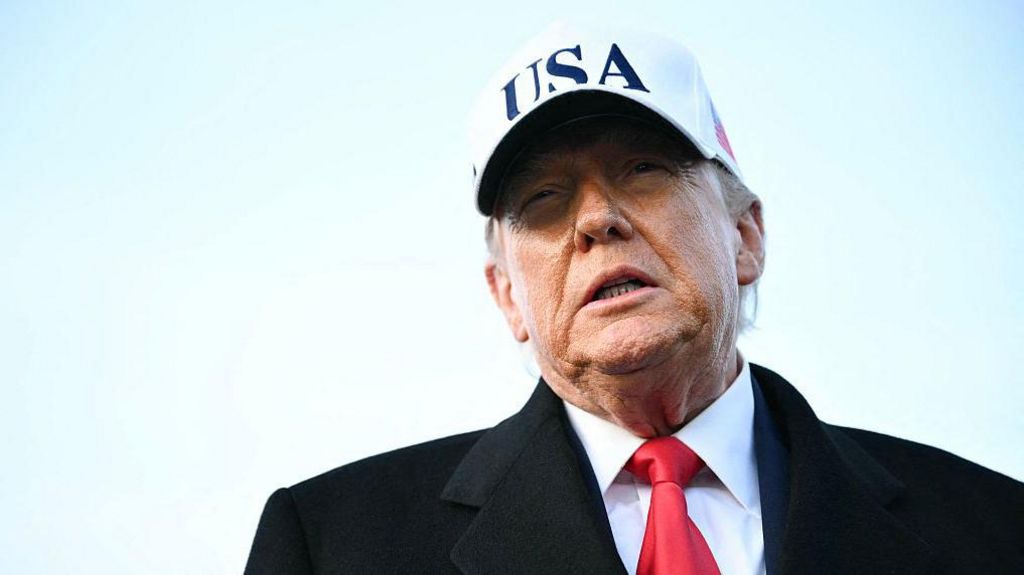
A tense two-week period of escalating rhetoric between Washington and Tehran appears to have momentarily de-escalated following an unexpected presidential announcement. President Donald Trump, who had previously issued stark warnings to Iranian authorities regarding their treatment of protesters, declared on Wednesday that credible sources indicated a cessation of violence and planned executions within Iran.
The situation had been building toward potential military confrontation since January 2nd, when Trump first threatened to intervene on behalf of Iranian protesters. Throughout the following days, the administration’s language grew increasingly confrontational, culminating with Trump’s Tuesday declaration that the United States would take “very strong action” if Iran carried out executions of detained demonstrators.
Military indicators had suggested impending action: personnel at Al-Udeid air base in Qatar were being relocated, embassy staff in Saudi Arabia received vigilance alerts, and reports emerged of airspace closures and flight cancellations. These movements echoed similar patterns observed before previous strikes on Iranian nuclear facilities.
However, the trajectory shifted dramatically during a White House press briefing when Trump revealed he had received assurances from “very important sources on the other side” that killings had stopped and no executions were planned. The president characterized these as “very good statements” from informed sources, though he provided no specific details about their origins or credibility.
The apparent pause in hostilities comes amid significant caution from multiple quarters. Gregory Meeks, ranking Democrat on the House Foreign Affairs Committee, warned that military intervention could backfire by discrediting the organic protest movement and strengthening regime narratives. Gulf allies including Saudi Arabia, Qatar, and Oman have expressed reservations about potential regional destabilization—concerns grounded in historical experience with Iranian retaliation.
Tehran has demonstrated both capability and willingness to respond to external pressure, as evidenced by the 2019 attack on Saudi oil facilities and last year’s missile strike on Al-Udeid base following U.S. actions against nuclear sites. These regional powers fear that significant U.S. military action could trigger widespread instability despite their efforts to improve relations with Iran.
Analysts suggest Trump’s approach reflects his preference for dramatic gestures and unpredictable statecraft. Andrew Miller, former deputy assistant secretary of state, notes the president’s attraction to “evocative news stories, the use of raw power, and minimal casualties.” However, Miller and others caution against raising expectations without clear follow-through, particularly when protester lives hang in the balance.
With unconfirmed reports indicating redeployment of the USS Abraham Lincoln carrier group from the South China Sea, the administration appears to be maintaining military options even as diplomatic channels show tentative signs of progress. The fundamental question of whether the United States will ultimately intervene militarily in Iran remains unanswered, leaving both allies and adversaries in a state of uncertain anticipation.