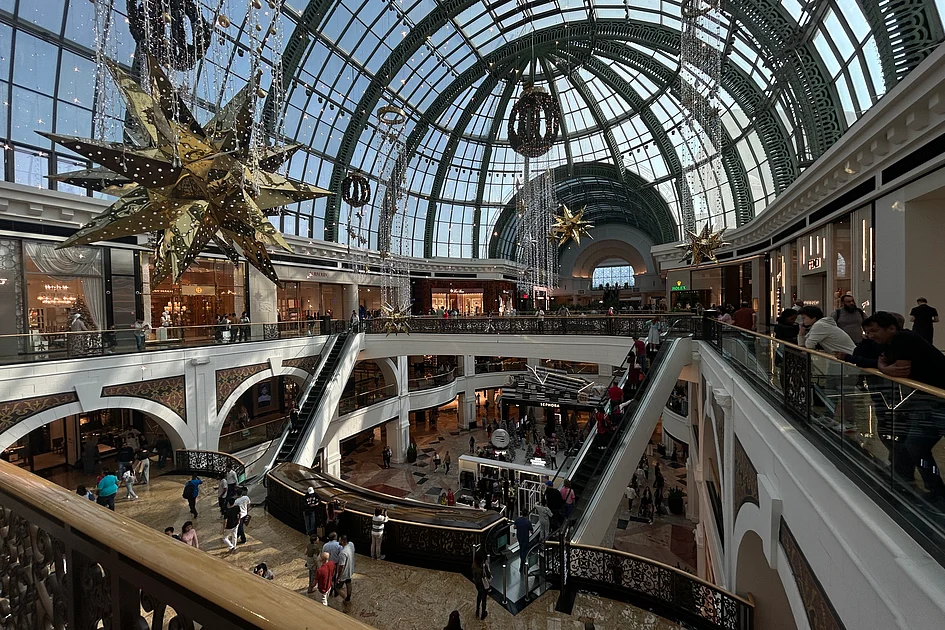
Dubai’s commercial property sector demonstrated exceptional resilience during the third quarter of 2025, with both retail and warehouse markets experiencing unprecedented growth driven by robust demand and severely constrained supply. According to Cavendish Maxwell’s comprehensive market analysis, retail sales transactions shattered records by exceeding Dh1 billion in a single quarter for the first time in the emirate’s history.
The retail segment witnessed remarkable transaction volume increases, surging 78.7% quarter-on-quarter and 27.2% year-on-year. Off-plan deals emerged as the primary growth catalyst, skyrocketing 133% compared to the previous quarter and 64.7% from the previous year. Approximately 400 retail sales transactions were finalized during this period, reflecting intense investor appetite fueled by Dubai’s expanding population and record-breaking tourism numbers.
Leasing markets experienced a paradigm shift as prime retail space became increasingly scarce. Tenants demonstrated a clear preference for renewing existing leases rather than relocating, with renewal contracts increasing 6.1% annually while new rental agreements plummeted 32.2%. This supply-demand imbalance triggered substantial rental growth across key commercial districts, with rates escalating between 7% and 15% in premium locations including Downtown Dubai, Dubai Marina, and Business Bay. Citywide retail rents advanced 7.7% year-on-year.
The warehouse market mirrored this trend of constrained supply and rising costs. Although overall rental transactions decreased 8.3% year-on-year to approximately 4,200 deals, renewal activity surged dramatically by 62.2%, indicating occupiers’ strong preference for operational continuity. Industrial rental rates achieved double-digit growth, averaging 16.8% year-on-year across major logistics hubs including Jebel Ali, Dubai Investment Park, and Ras Al Khor, with increases ranging from 12% to 21%.
Market experts attribute this sustained growth to structural factors including e-commerce expansion, Dubai’s consolidating position as a regional logistics hub, and unprecedented tourism performance. Major mall operators Emaar and Majid Al Futtaim reported average portfolio occupancies of 98%, with flagship destinations continuing to attract substantial footfall.
Future development strategies are evolving to address market dynamics, focusing on smaller community shopping centers catering to daily needs alongside mega-expansions such as the Dh5 billion upgrade at Mall of the Emirates. The warehouse sector shows no indications of cooling, with persistent supply constraints and escalating demand from logistics and online retail expected to maintain upward pressure on rental rates. Industry analysts conclude that location security and long-term stability now carry greater strategic value than cost considerations in Dubai’s rapidly evolving commercial landscape.