A coalition of British parliamentarians has launched an unprecedented challenge to the United States’ status as host of major international sporting events, urging FIFA to consider expulsion from the 2026 World Cup until the nation demonstrates compliance with international law and respect for national sovereignty.
The political motion, signed by 23 MPs across Labour, Liberal Democrats, Green Party and Plaid Cymru, follows recent US military operations in Venezuela that resulted in the capture of President Nicolás Maduro, alongside explicit threats against several other nations including Mexico, Colombia, Iran, Cuba, and Greenland—the latter being territory of NATO ally Denmark.
This diplomatic confrontation creates a complex dilemma for global sports organizations as the US prepares to host both the 2026 FIFA World Cup (jointly with Canada and Mexico) and the 2028 Los Angeles Olympics. The parliamentarians argue that major sporting events “should not be used to legitimize or normalize violations of international law by powerful states,” specifically referencing what they term the “kidnapping” of Maduro and “repeated veiled and overt threats” by US officials.
The White House has defended its actions as legitimate law-enforcement operations against leaders allegedly involved in drug trafficking and terrorism. President Trump stated the US would now control Venezuela and its oil industry, while Maduro maintains he is a prisoner of war. UN Secretary-General António Guterres expressed deep concern that “rules of international law have not been respected” during US operations.
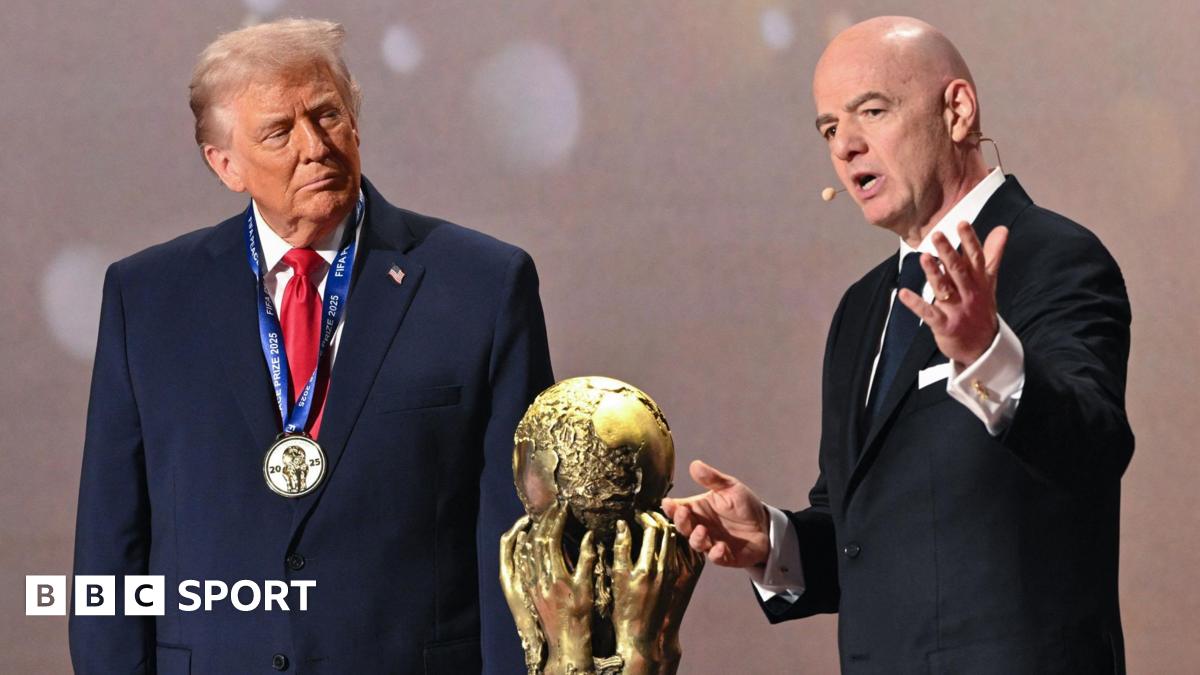
This situation creates particular awkwardness for FIFA, which awarded President Trump its inaugural Peace Prize in December 2025 for his purported role in establishing ceasefires between Israel and Palestine. The organization now faces calls to demonstrate consistency after banning Russia from international competitions following its invasion of Ukraine.
Sports governance experts warn that FIFA and the International Olympic Committee face a looming “stress-test for sporting institutions that pride themselves on neutrality.” Additional complications include Trump’s immigration policies that could affect fans from four qualified World Cup nations facing travel restrictions, plus potential ICE raids targeting undocumented immigrants at tournament venues.
The European Democratic Party has raised safety concerns following recent immigration-related violence in Minneapolis, suggesting European federations might consider withdrawal if adequate guarantees aren’t provided. With the expanded 48-team tournament approaching, sports bodies must navigate an increasingly complex intersection of global sports diplomacy and international politics.