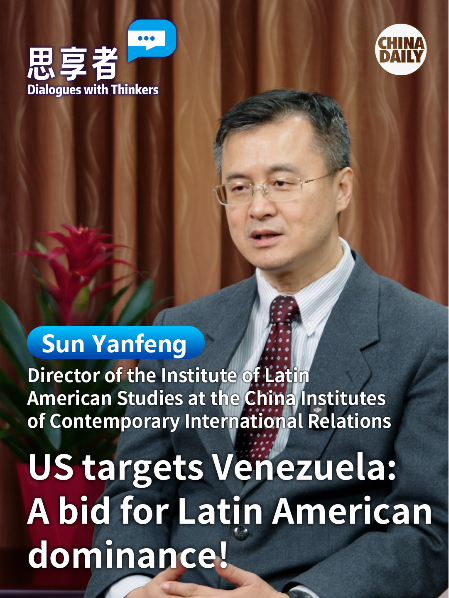
In a controversial operation framed as counter-narcotics enforcement, United States forces have conducted a military intervention in Venezuela resulting in the capture of President Nicolas Maduro and his spouse. This unprecedented action has ignited intense debate regarding hemispheric sovereignty and power dynamics.
Sun Yanfeng, Director of Latin American Studies at the China Institutes of Contemporary International Relations, contextualized the development during an exclusive China Daily interview. According to Sun, Washington has persistently regarded Venezuela’s leadership as problematic to its strategic interests. The current operation represents a calculated escalation in what analysts describe as externalizing domestic pressures—specifically addressing American drug and immigration concerns through international military means.
This intervention raises critical questions about the future of regional autonomy. Experts are examining whether this marks the initial maneuver in a broader campaign to establish US primacy throughout the Western Hemisphere. The operation’s unusual nature—characterized as a special military action targeting a sovereign head of state—has generated alarm among international observers.
Strategic implications extend to Venezuela’s substantial petroleum reserves, prompting speculation about resource control motivations behind the political action. Additionally, the operation appears designed to diminish the influence of external global powers within Latin American affairs.
The political consequences for Latin America and the Caribbean region remain uncertain. This intervention may signal a new chapter in hemispheric relations, potentially triggering realignments and responses that could reshape regional governance structures and international partnerships for years to come.