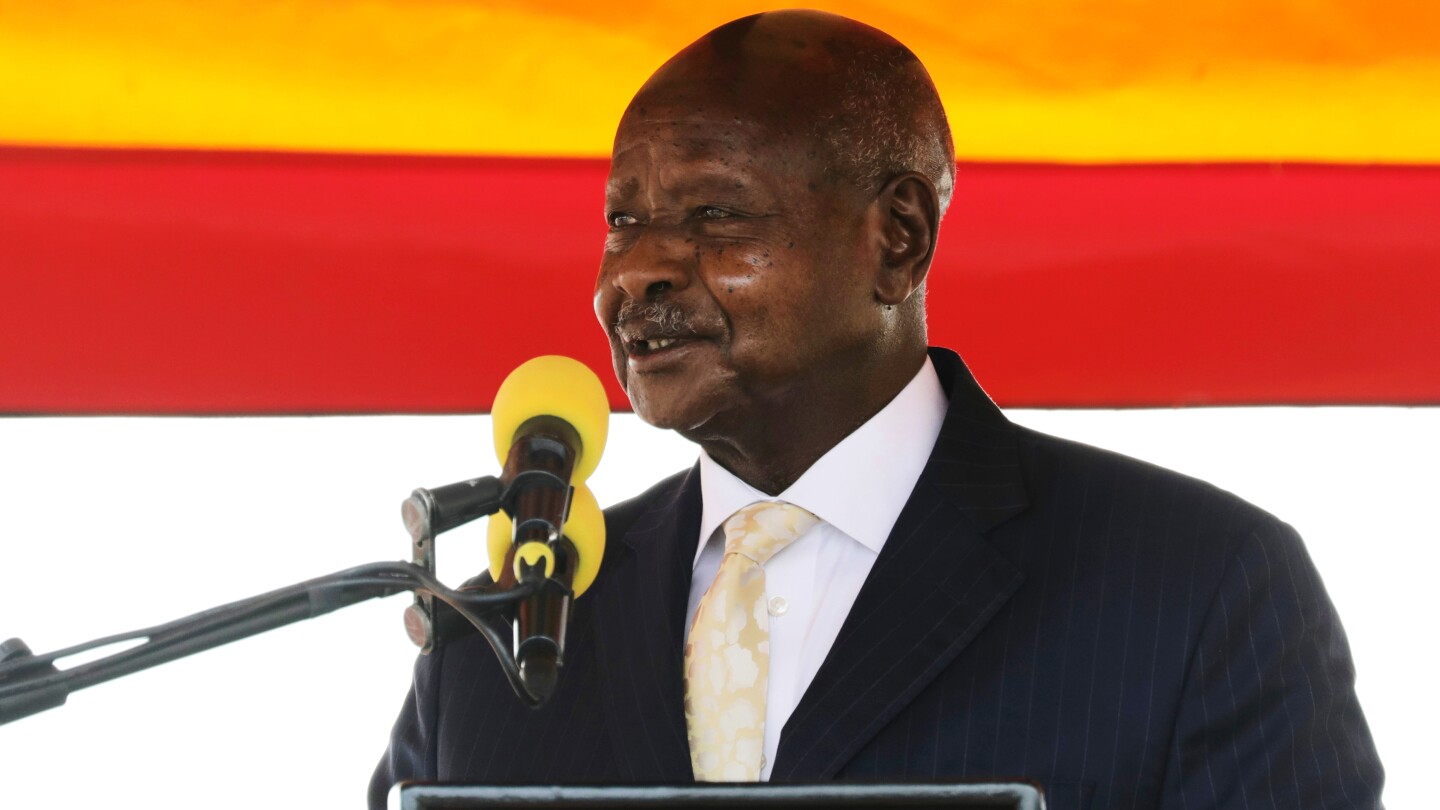
KAMPALA, Uganda — Uganda stands at a critical juncture as the nation prepares for a high-stakes presidential election on Thursday, pitting long-serving President Yoweri Museveni against a coalition of opposition candidates led by charismatic challenger Bobi Wine. The electoral process has been overshadowed by unprecedented military deployments across the capital, raising concerns about democratic integrity and the potential for authoritarian consolidation.
President Museveni, Africa’s third-longest ruling leader at 81 years old, seeks to extend his nearly four-decade reign with a seventh term. His primary opponent is 43-year-old musician-turned-politician Bobi Wine (born Kyagulanyi Ssentamu), who represents a burgeoning youth movement demanding political transformation. Six additional candidates complete the presidential field in this East African nation of 45 million people, with electoral authorities reporting 21.6 million registered voters.
The security situation has intensified markedly since Saturday, when Ugandan authorities initiated widespread troop deployments throughout Kampala. Armored vehicles have positioned themselves strategically across the urban landscape while soldiers conduct visible street patrols. Military spokesman Colonel Chris Magezi characterized these measures as necessary precautions against potential election violence, dismissing concerns about anti-democratic implications.
This election represents a rematch of the 2021 contest where Wine surprisingly captured 35% of the vote against Museveni’s 58%—the president’s narrowest victory margin since first competing in elections three decades ago. Wine has maintained his popularity among urban youth and in eastern regions, campaigning under heavy security protection including flak jackets and helmets following numerous attacks by security forces documented by Amnesty International.
Museveni retains strong support in northern Uganda and his western home region, where supporters credit him with establishing relative stability in a nation hosting hundreds of thousands of refugees. However, his campaign slogan of ‘protecting the gains’ has drawn criticism for allegedly justifying corruption and suggesting power is non-negotiable.
Complicating the political landscape is the prominence of Museveni’s son, four-star General Muhoozi Kainerugaba, who has openly discussed succeeding his father and recently generated diplomatic incidents through controversial tweets. Many analysts suggest the military’s loyalty to the first family rather than democratic institutions makes electoral transition particularly challenging.
The International Crisis Group recently concluded that Museveni will likely retain power, though voter concerns about unemployment and democratic fatigue remain pressing issues. For many young Ugandans like 37-year-old motorcycle operator Farouk Mugaya, who has never known another leader, the election represents a fundamental choice between continuity and change in a nation struggling with economic opportunities despite relative peace.