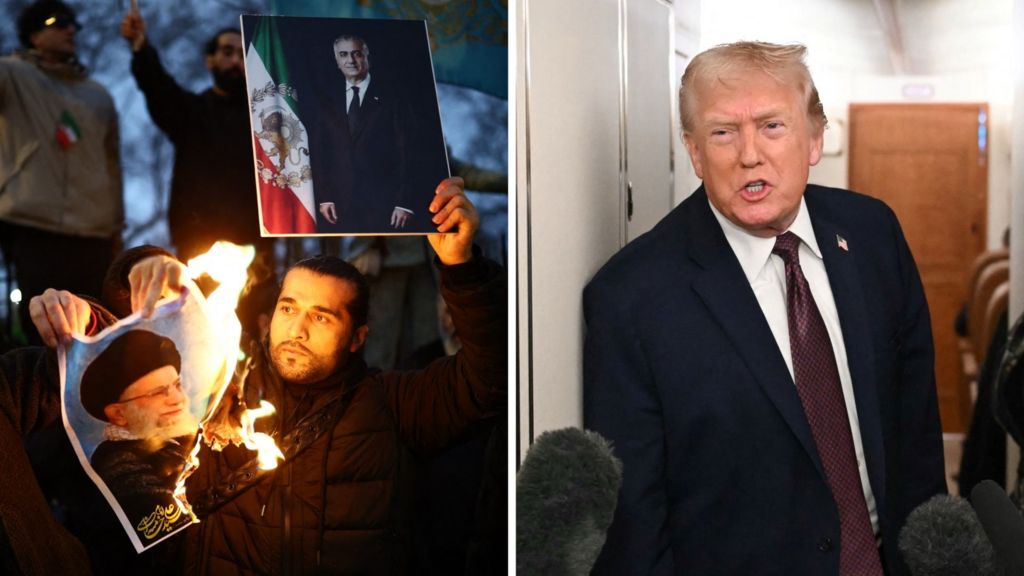
The Trump administration has signaled potential military engagement as part of its strategic calculus toward Iran, with senior officials confirming that “very strong options” remain under active consideration. This development follows heightened tensions between Washington and Tehran, with the White House evaluating multiple intervention scenarios ranging from economic sanctions to targeted strikes.
National security advisors have presented the President with a comprehensive response framework that includes cyber warfare capabilities, covert operations, and traditional diplomatic channels alongside military alternatives. The administration’s hardening stance reflects growing concerns about Iran’s regional activities and internal crackdowns, though specific triggers for military action remain undefined.
Defense Department officials emphasize that any deployment of force would require congressional consultation, though executive authority for limited actions exists under existing authorization frameworks. Regional allies have been briefed on potential contingency plans, with several Gulf states expressing private support for stronger US engagement despite public calls for de-escalation.
The administration’s rhetoric mirrors earlier confrontations with North Korea, combining public threats with backchannel negotiations. However, intelligence assessments suggest Iran’s military capabilities exceed Pyongyang’s, creating complex escalation risks that advisors have highlighted in recent security briefings.