The fatal shooting of 37-year-old Renee Good by an Immigration and Customs Enforcement (ICE) agent in Minneapolis on January 7th has ignited intense national scrutiny of federal law enforcement practices. Video evidence and frame-by-frame analysis contradict initial official accounts that characterized the incident as justified self-defense against a vehicular attack.
Multiple video angles show Agent Jonathan Ross firing three shots at Good’s SUV as she attempted to drive away from the encounter. While the first shot was discharged from a diagonal position in front of the vehicle, the second and third shots were fired from the side of the moving car, raising serious questions about the immediate threat posed to the agent at the moment of firing.
The incident has triggered widespread examination of ICE’s operational conduct under the Trump administration. A YouGov poll conducted on the day of the shooting revealed that 52% of Americans disapprove of ICE’s handling of its duties, with 51% characterizing the agency’s tactics as ‘too forceful.’ This represents a dramatic decline from the agency’s +16 net approval rating at the beginning of Trump’s second term.
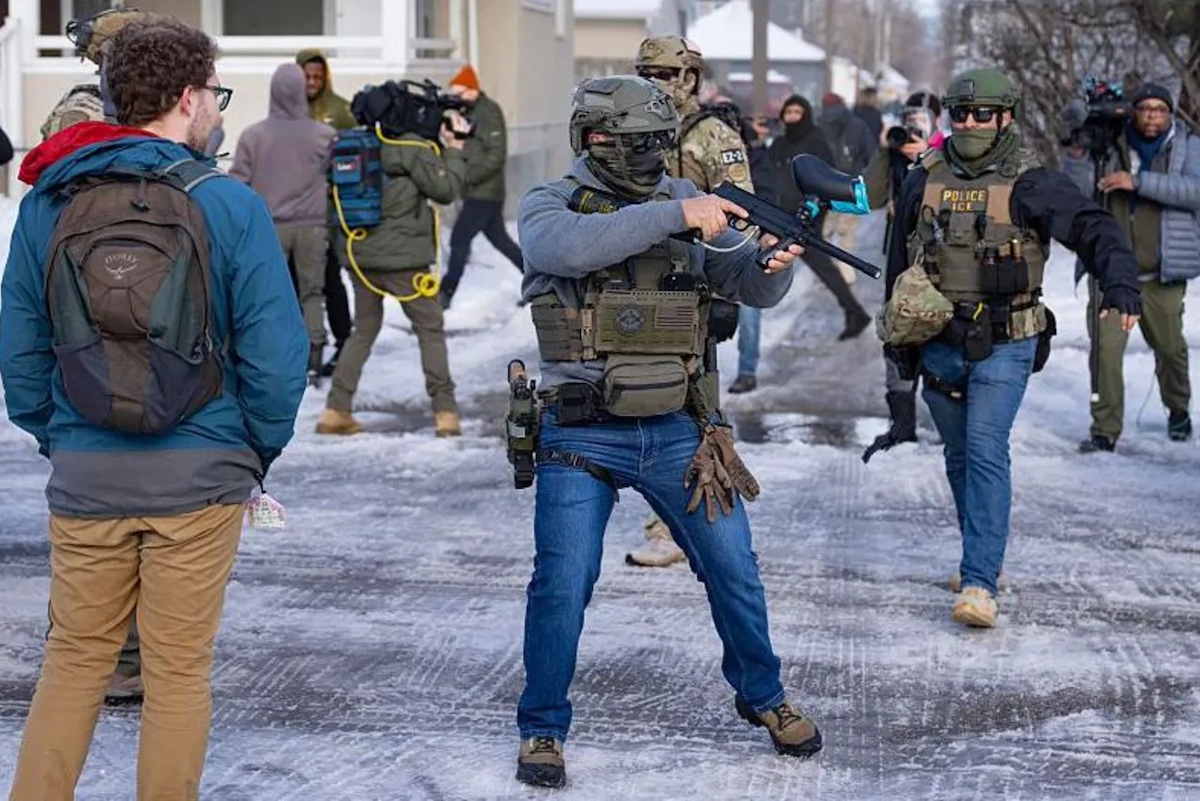
Documented evidence compiled from social media and news reports shows a pattern of concerning behavior by ICE personnel, including arrests of U.S. citizens, physical altercations with bystanders, and questionable use of force. The Wall Street Journal identified 13 instances of agents firing at civilian vehicles since July, resulting in eight people shot and two fatalities.
The administration’s response has further polarized the situation. Homeland Security Secretary Kristi L. Noem described Good’s actions as ‘domestic terrorism,’ while President Trump asserted she ‘violently, willfully and viciously ran over the ICE officer’—claims that video evidence appears to contradict. Vice President JD Vance has emerged as the most vocal defender of the agent’s actions, despite evidence challenging his assertions.
Critics point to recruitment issues within ICE, with reports indicating the agency has lowered standards to meet ambitious hiring targets. A Daily Mail investigation found the administration’s $50,000 signing bonus attracted unqualified recruits, including some with pending criminal charges and others who struggled with basic literacy requirements.
The incident has become emblematic of broader concerns about immigration enforcement philosophy, with some Republican lawmakers using rhetoric that critics characterize as authoritarian. The debate reflects deeper ideological divisions regarding immigration, with polling indicating significant portions of the population viewing immigration through the lens of ‘Great Replacement’ theory.
As investigations continue, the shooting has intensified scrutiny of federal law enforcement protocols and the political climate surrounding immigration enforcement, raising fundamental questions about accountability, proportionality, and constitutional protections in an increasingly polarized national landscape.