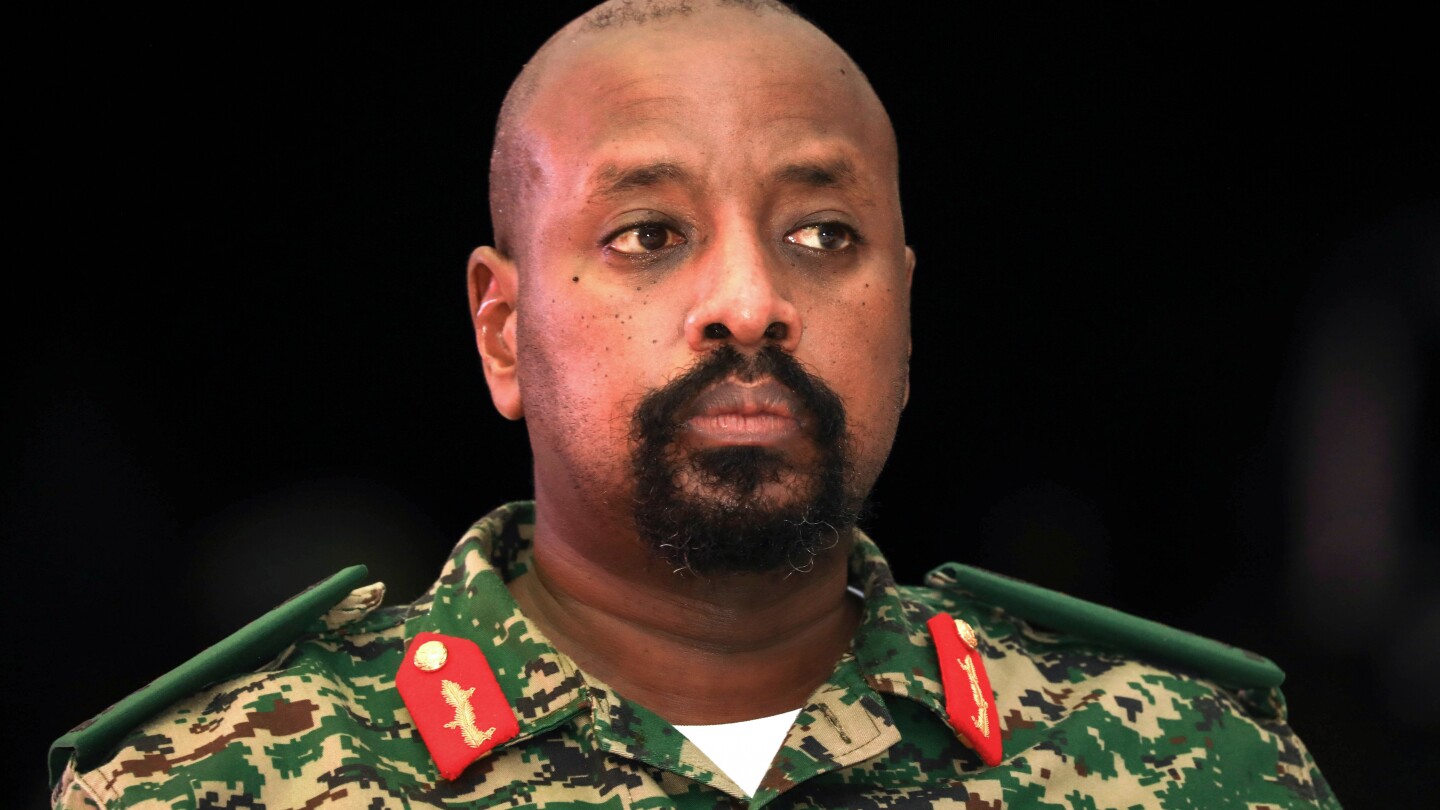
As Uganda approaches its pivotal elections, the nation’s political landscape is dominated by a figure not formally on the ballot: Muhoozi Kainerugaba, the president’s son and top military commander. While stepping aside to allow his father, Yoweri Museveni, to pursue an unprecedented seventh term that would extend his rule toward five decades, General Kainerugaba maintains immense influence as the primary enforcer of his father’s regime.
The four-star general’s appointment as army chief nearly two years ago temporarily suspended his political ambitions—though critics suggest this pause lasts only as long as Museveni desires to remain in power. Many citizens now accept the inevitability of hereditary leadership, despite previous government denials of a covert ‘Muhoozi Project’ aimed at securing dynastic succession.
Kainerugaba has been remarkably transparent about his presidential aspirations, declaring on social media platform X in 2023: ‘I will be President of Uganda after my father. Those fighting the truth will be very disappointed.’
His authority has expanded significantly since February 2024, when the president delegated substantial commander-in-chief powers to the military leadership. This unprecedented transfer enables Kainerugaba to promote high-ranking officers and establish new army departments, granting him more influence than any previous military commander.
According to Mwambutsya Ndebesa, a political historian at Makerere University, constitutional change appears increasingly unlikely. ‘Elections just waste time, legitimizing authority but not intended as democratic goals,’ Ndebesa observed. ‘Any transition from Museveni will be determined by the military high command.’
A burgeoning personality cult surrounds Kainerugaba, complete with public birthday celebrations and political campaigns featuring his Patriotic League of Uganda emblem. Parliament Speaker Anita Among notably referred to him as ‘God the Son,’ highlighting his elevated status within Uganda’s power structure.
Critics point to Kainerugaba’s inflammatory behavior, including social media threats against opposition figures like Bobi Wine—whom he threatened to behead—and Kizza Besigye, whom he suggested should be hanged ‘in broad daylight.’ These outbursts occasionally prompted disciplinary action, such as his temporary removal from military duties in 2022 after threatening to invade Nairobi.
Amnesty International reports security forces are conducting a ‘brutal campaign of repression,’ citing incidents like the November 28 rally where military forces blocked exits and opened fire on crowds, resulting in one death.
Despite overwhelming support within the regime, retired Major General Kahinda Otafiire—a longtime Museveni ally—stands as a rare voice against hereditary succession. Serving as interior minister, Otafiire advocates for merit-based leadership, warning that dynastic rule would undermine democratic principles fought for during Uganda’s liberation struggle.
The military’s dominance in Ugandan politics suggests any future transition will be determined less by electoral processes and more by internal power dynamics within the security establishment.