A perplexing medical saga unfolding in Canada’s New Brunswick province has sparked intense debate between patients, physicians, and scientific authorities regarding the existence of a mysterious neurological condition affecting hundreds of residents.
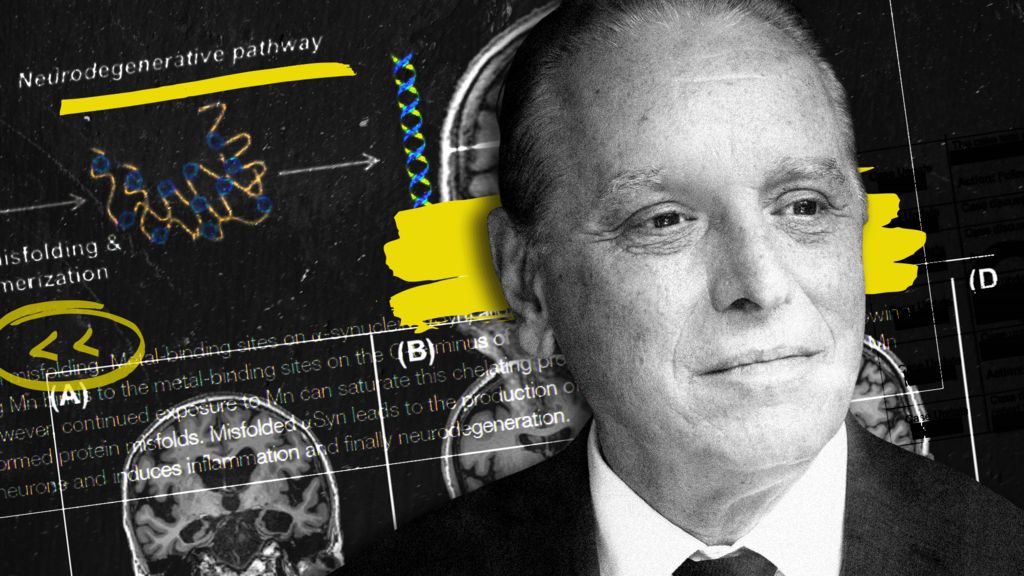
The controversy began in early 2019 when hospital officials identified two patients with Creutzfeldt-Jakob Disease (CJD), a rare and fatal brain disorder. While the CJD cases were contained, neurologist Dr. Alier Marrero revealed he had been documenting patients with similar yet unexplained symptoms for several years. These cases displayed a bewildering array of neurological manifestations including rapid-onset dementia, muscle atrophy, hallucinations, movement disorders, and cognitive impairments—particularly concerning as they appeared in unusually young patients.
Dr. Marrero’s cluster of suspected cases expanded dramatically from initially 20 to approximately 500 patients over five years. The Cuban-born neurologist, described by patients as exceptionally compassionate and thorough, pursued extensive testing while reporting to Canada’s Creutzfeldt-Jakob Disease Surveillance System. Despite negative results for known prion diseases, Marrero grew convinced of an environmental connection, specifically pointing to glyphosate herbicides used in provincial forestry operations.
The situation escalated in March 2021 when a leaked government memo brought public attention to the apparent syndrome, dubbed ‘New Brunswick Neurological Syndrome of Unknown Cause.’ Federal scientists initially supported investigation efforts, with the Canadian Institutes of Health Research offering $5 million for research. However, provincial authorities abruptly suspended collaboration and declined the funding, citing concerns about Marrero’s methodologies and what they perceived as circumvention of proper channels.
Subsequent government investigations concluded in February 2022 that no common environmental cause or unified condition existed among patients. This conclusion was bolstered by a May 2025 study published in JAMA that examined 25 patients from the cluster. The research, led by Toronto neurologist Dr. Anthony Lang, found all patients suffered from previously identified conditions including functional neurological disorder (FND), various dementias, and other established diagnoses. The study attributed the apparent cluster to serial misdiagnosis amplified by media attention, pandemic-related institutional distrust, and limitations in provincial healthcare resources.
The scientific consensus has sparked outrage among many patients who remain fiercely loyal to Dr. Marrero. Advocates including Bloodwatch director Kat Lanteigne allege a government cover-up of environmental contamination and have challenged the JAMA study’s ethics and methodology. Meanwhile, patients who sought second opinions through the provincially-run Mind Clinic have received diagnoses for conditions such as FND—a complex disorder where psychological factors manifest as physical symptoms without structural neurological damage.
The human impact remains profound. Several patients have deteriorated significantly, with at least one opting for medical assistance in dying (MAID) and others considering it. Jillian Lucas, who developed symptoms after caring for her affected stepfather, represents those caught between seeking answers and facing deteriorating health: ‘I have a limit in my mind of how far I can go.’
Dr. Marrero continues to treat patients outside the provincial system, maintaining his conviction about an unidentified neurological syndrome. As debates continue regarding medical ethics, diagnostic accuracy, and environmental safety, hundreds of patients and families await resolution while navigating uncertain medical futures.