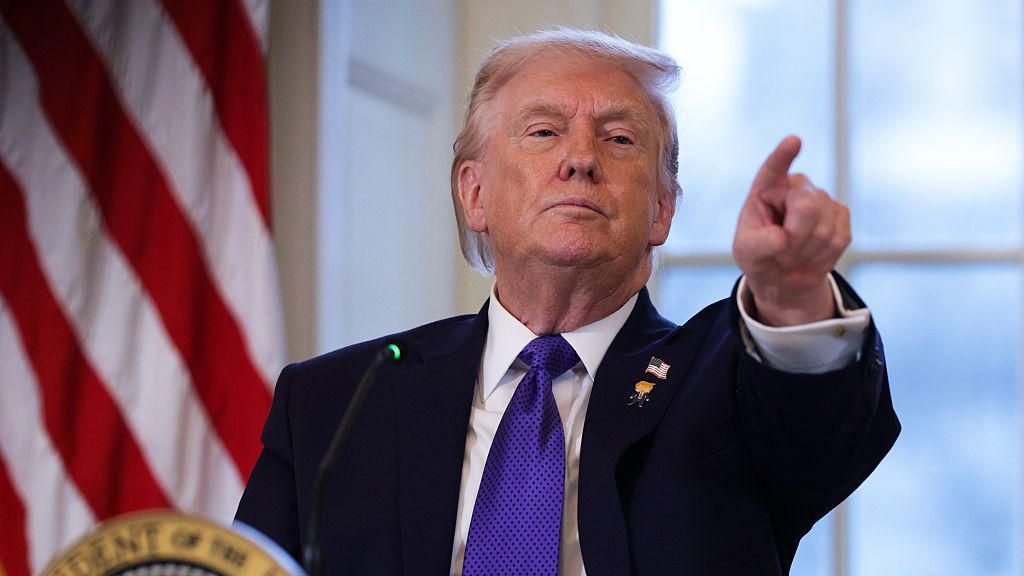
In a significant escalation of hemispheric tensions, former U.S. President Donald Trump has delivered a stark warning to Cuba, demanding the nation “make a deal” or face severe consequences following the interception of Venezuelan oil shipments. The ultimatum comes amid a broader campaign against left-wing governments in Latin America that Trump has framed through his revived “Donroe Doctrine”—an aggressive reinterpretation of the 19th-century Monroe Doctrine asserting U.S. supremacy in the Western Hemisphere.
The confrontation intensified after U.S. forces conducted an unprecedented raid in Caracas on January 3rd, resulting in the capture of Venezuelan leader Nicolás Maduro and his wife, Cilia Flores, who now face drug trafficking charges in the United States. This operation reportedly resulted in the deaths of 32 Cuban nationals who formed part of Maduro’s security detail, a claim that has heightened diplomatic tensions.
Venezuela, a longstanding Cuban ally, has historically supplied approximately 35,000 barrels of oil daily to the island nation—a vital economic lifeline that the Trump administration has now effectively severed through the seizure of five sanctioned oil tankers. This tactic has already exacerbated existing fuel and electricity shortages in Cuba, creating a humanitarian crisis.
Trump articulated his position emphatically on Truth Social, stating: “Cuba lived, for many years, on large amounts of OIL and MONEY from Venezuela. In return, Cuba provided ‘Security Services’ for the last two Venezuelan dictators, BUT NOT ANYMORE! THERE WILL BE NO MORE OIL OR MONEY GOING TO CUBA – ZERO! I strongly suggest they make a deal, BEFORE IT IS TOO LATE.” Despite the forceful rhetoric, the former president did not specify what terms such a deal might entail or what precise consequences Cuba would face for non-compliance.
Cuban leadership responded with defiance. Foreign Minister Bruno Rodríguez asserted the nation’s “absolute right to import fuel without interference or subordination to the unilateral coercive measures of the United States,” emphasizing that Cuba does not engage in “blackmail or military coercion against other States.” President Miguel Díaz-Canel similarly rejected external pressure, stating: “Those who turn everything into a business, even human lives, have no moral authority to point fingers at Cuba for anything, absolutely anything.”
The administration’s approach appears coordinated, with Secretary of State Marco Rubio—a Cuban-American former senator—suggesting that Cuban leaders “should be worried” and are “in a lot of trouble.” Trump amplified this messaging by sharing a social media post suggesting Rubio could become president of Cuba, commenting: “Sounds good to me!”
This confrontation represents the latest chapter in the complex U.S.-Cuba relationship that has been strained since the 1959 revolution. While diplomatic relations saw improvement during the Obama administration, Trump has reversed many of those advances, including reinstating Cuba’s designation as a state sponsor of terrorism shortly after beginning his second term—a designation that had been lifted by the Biden administration just days earlier.
The administration’s Latin American focus has expanded beyond Cuba and Venezuela, with Trump suggesting potential military action in Colombia and offering to deploy U.S. troops to Mexico—proposals that have been firmly rejected by both nations’ leaders. This aggressive posture signals a fundamental shift in hemispheric relations centered on combating drug trafficking and challenging left-wing ideologies throughout the region.