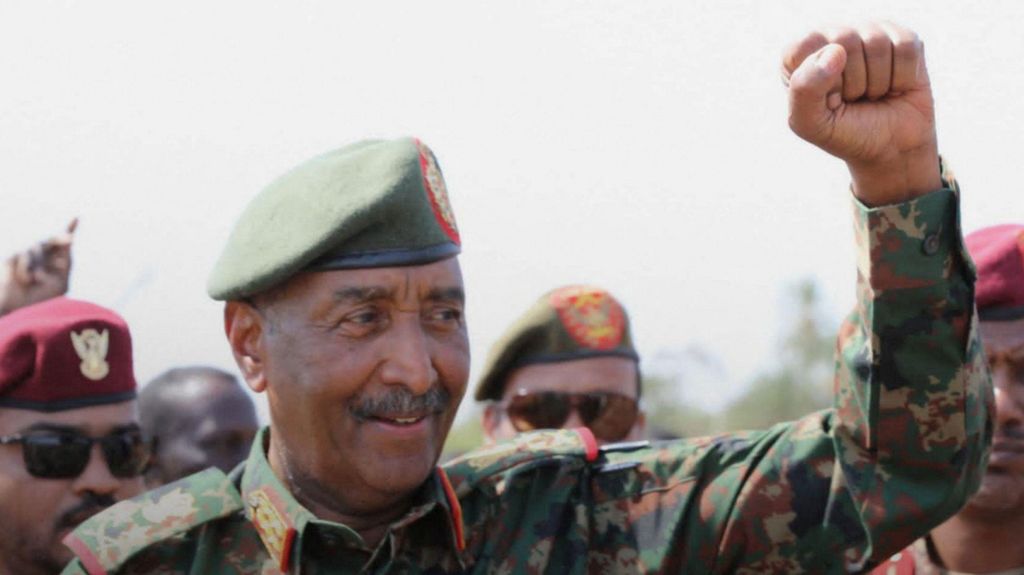
In a landmark development for Sudan’s protracted civil conflict, the nation’s military-led administration has officially reestablished its presence in the capital city of Khartoum after operating from a provisional headquarters in Port Sudan for nearly three years. The symbolic return marks a significant shift in the country’s turbulent political landscape.
Prime Minister Kamil Idris formally announced the government’s restoration during a press conference on Sunday, characterizing the administration as a ‘government of hope’ committed to addressing the severe humanitarian challenges facing Khartoum’s residents. The capital had endured brutal occupation by the paramilitary Rapid Support Forces (RSF) since April 2023, when violent power struggles erupted between military leadership and the RSF command.
The reconquest of Khartoum by national army forces last March represented a critical strategic victory after extensive urban combat that left substantial portions of the metropolitan area in ruins. United Nations assessments indicate approximately five million civilians fled the city during the conflict’s most intense phases, while those remaining endured systematic looting and property seizures by RSF fighters.
Prime Minister Idris outlined immediate priorities including restoration of essential services—particularly electricity, water infrastructure, healthcare systems, and educational institutions—which UN officials had previously reported were ‘barely functional’ as recently as October. The administration simultaneously declared 2026 as a ‘year of peace’ for Sudan, where conservative estimates indicate at least 150,000 fatalities and approximately 12 million displacements throughout the conflict period, creating what international organizations describe as the world’s most severe humanitarian crisis.
The initial violence originated from the dissolution of Sudan’s ruling coalition, specifically the fracture between army commander General Abdel Fattah al-Burhan and his former deputy Mohamed Hamdan Dagalo, who commands the RSF paramilitary group. Both factions have faced extensive allegations of human rights violations during the conflict, with foreign powers accused of exacerbating hostilities through weapon shipments and strategic support. Recent diplomatic scrutiny has particularly focused on the United Arab Emirates’ alleged backing of RSF forces, claims which Emirati officials vehemently deny.