A significant diplomatic rift has emerged between the United States and Somalia following allegations that Somali authorities demolished an American-funded World Food Program warehouse and confiscated humanitarian aid destined for vulnerable civilians. The U.S. State Department announced an immediate suspension of all assistance to Somalia’s federal government on Wednesday, citing the Trump administration’s “zero-tolerance policy for waste, theft and diversion of life-saving assistance.”
According to a senior U.S. official speaking anonymously, Mogadishu port authorities destroyed the UN agency’s warehouse under direct orders from President Hassan Sheikh Mohamud without prior notification to international donors. The official described this action as particularly concerning given Somalia’s severe food crisis affecting approximately 4.4 million people.
The Somali government has vehemently denied these allegations through its foreign ministry, asserting that the referenced food commodities “remain under the custody and control of the World Food Program.” Officials attributed the incident to ongoing expansion and repurposing works at Mogadishu port, maintaining that humanitarian operations remain unaffected.
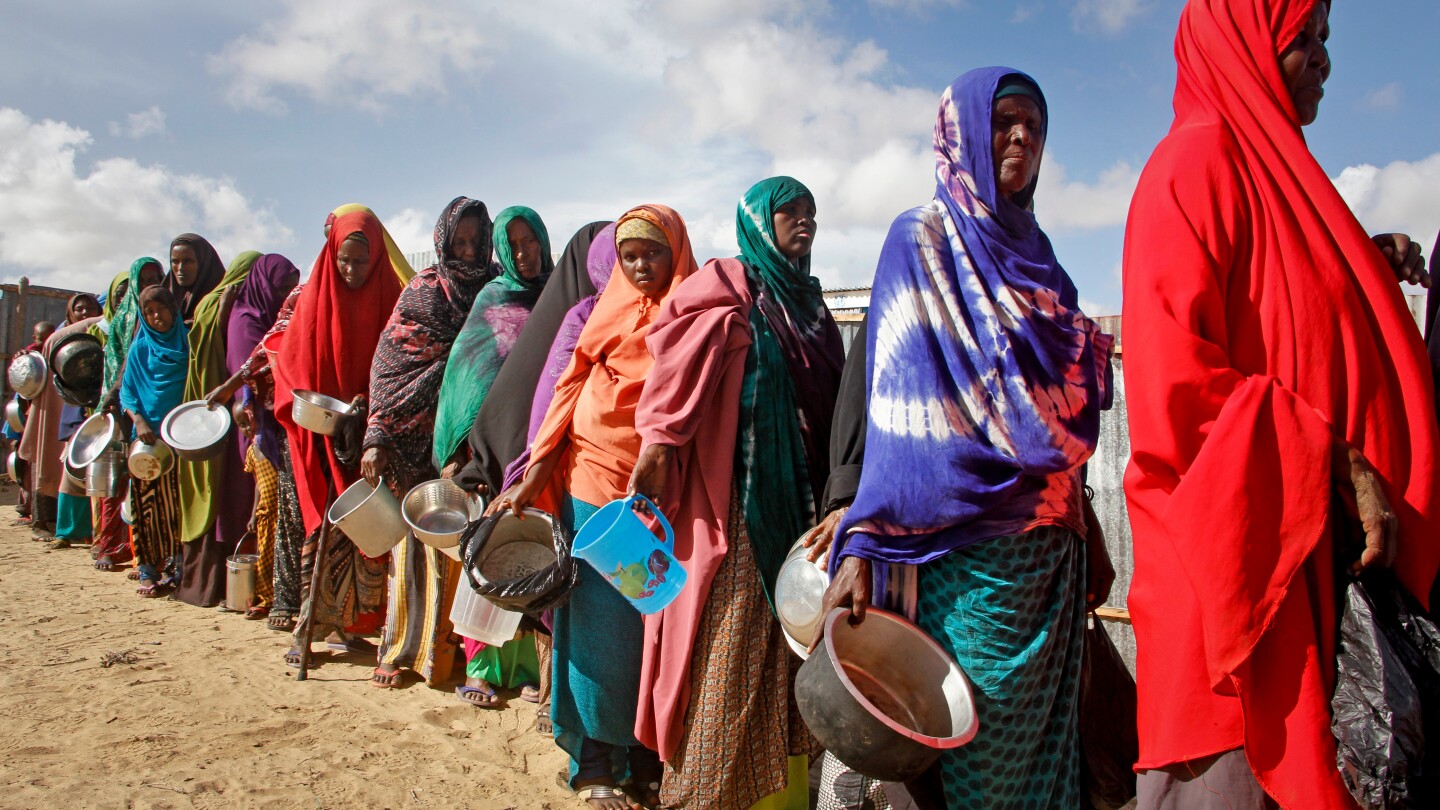
However, the World Food Program contradicted the government’s account, confirming to The Associated Press that its warehouse had indeed been demolished while containing 75 metric tons of specialized nutritious foods intended for malnourished pregnant women, breastfeeding mothers, and young children. The UN agency emphasized the critical timing of this incident, with nearly a quarter of Somalia’s population facing crisis-level hunger.
This controversy unfolds against the backdrop of Somalia’s protracted humanitarian crisis, exacerbated by chronic conflict, insecurity, and recurring natural disasters. The Horn of Africa nation remains one of the world’s poorest countries, historically dependent on international assistance. The now-suspended U.S. aid amounted to $770 million during the last year of the Biden administration, though only a fraction directly reached the Somali government.
The aid suspension coincides with the Trump administration’s increasingly restrictive policies toward Somali refugees and migrants in the United States, including heightened scrutiny over fraud allegations involving childcare centers in Minnesota and significant entry restrictions.
The broader implications of this decision extend beyond Somalia, as demonstrated by parallel aid restrictions imposed on South Sudan. The U.S. Embassy in Juba announced suspensions targeting specific regions, accusing South Sudanese officials of “abuse, exploitation, and theft directed against U.S. foreign assistance.” These developments signal a tougher American stance on foreign aid accountability under the current administration.