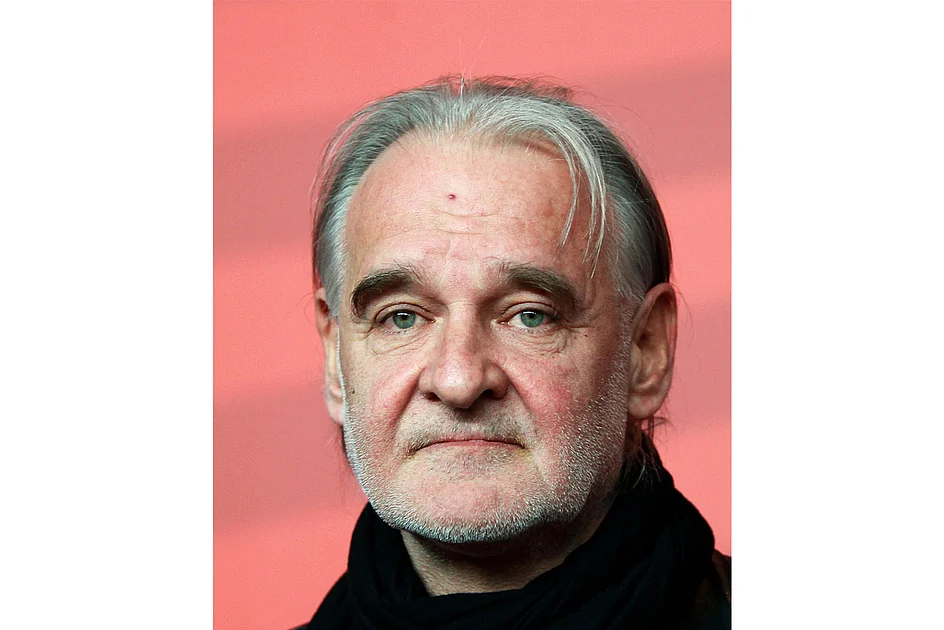
The film world has lost one of its most distinctive voices with the passing of Hungarian filmmaker Béla Tarr at age 70. The European Film Academy confirmed his death on Tuesday, January 6th, 2026, following an extended battle with illness.
Tarr, renowned as the pioneering force behind the ‘slow cinema’ movement, leaves behind an indelible legacy characterized by stark black-and-white aesthetics, extended single-shot sequences, and minimalist storytelling. His approach deliberately subverted conventional narrative structures, instead offering contemplative portrayals of everyday existence in post-communist Eastern Europe.
The director’s magnum opus, 1994’s seven-and-a-half-hour epic ‘Satantango,’ stands as perhaps the ultimate embodiment of his artistic vision. The film meticulously documents the struggles within a small Hungarian village following communism’s collapse and has been consistently ranked among cinema’s greatest achievements despite its demanding runtime.
Beyond his filmmaking, Tarr dedicated his later years to educational pursuits. Following his 2011 feature ‘The Turin Horse,’ he transitioned to mentoring emerging talents, establishing the Film Factory school in Sarajevo in 2012. There he served as professor and academic director until 2016, shaping a new generation of filmmakers.
The European Film Academy’s statement honored Tarr as ‘an outstanding director and a personality with a strong political voice,’ noting he was ‘deeply respected by his colleagues and celebrated by audiences worldwide.’ The organization has requested privacy for Tarr’s family during this period of mourning.