The United States Senate has taken decisive steps to constrain presidential military authority following recent strikes in Venezuela. On Thursday, legislators advanced a significant resolution designed to limit President Donald Trump’s capacity to initiate further armed engagement against the South American nation without explicit congressional approval.
The legislative action emerged as a direct response to military operations authorized by the administration, signaling growing congressional concern over executive branch war powers. The resolution, spearheaded by Senator Jack Reed (D-RI), represents a notable assertion of legislative authority in matters of military engagement and foreign policy.
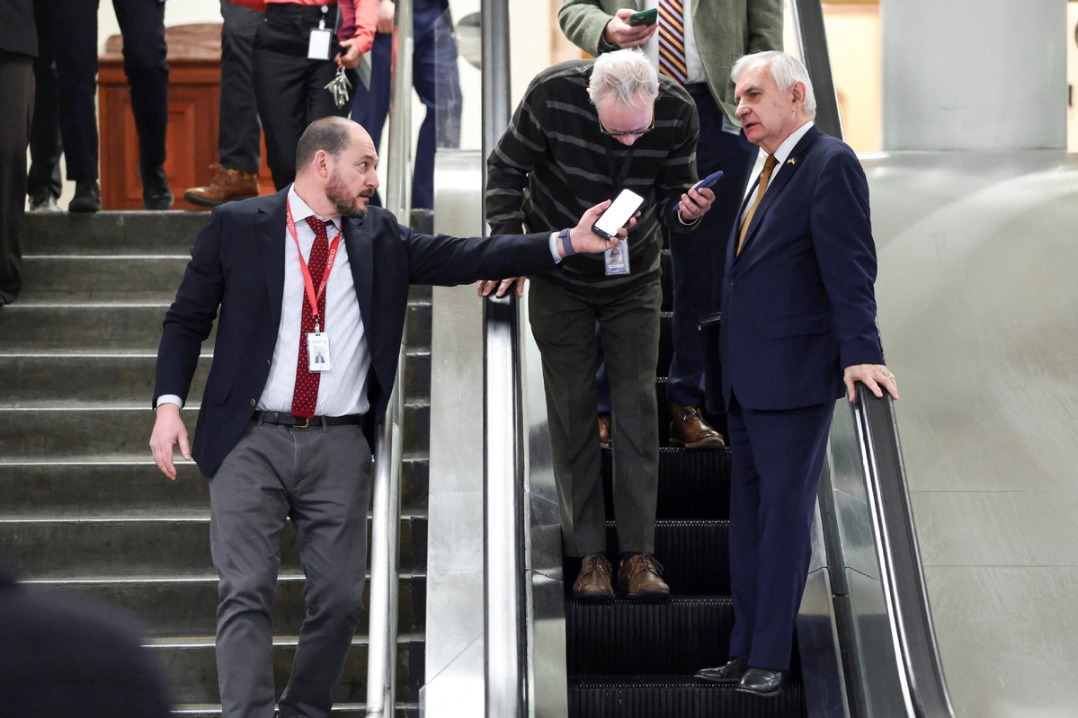
Following the Senate vote, Senator Reed addressed reporters on Capitol Hill, emphasizing the constitutional responsibility of Congress to oversee military commitments. “This measure reaffirms the fundamental principle that decisions of war and peace must reflect the collective judgment of the representatives of the American people,” Reed stated.
The resolution development follows reports of significant casualties from recent military actions in Venezuela, with the country’s interior ministry claiming approximately 100 fatalities resulting from US operations. These events have intensified existing tensions between the two nations and prompted renewed scrutiny of presidential war powers.
The legislative measure continues a longstanding tension between executive and legislative branches regarding military authorization that has persisted across multiple administrations. The resolution’s advancement suggests a reassertion of congressional authority in security matters that could establish significant precedents for future military engagements.
International observers have closely monitored the development, with several European allies expressing concern over escalating tensions in Venezuela and the broader implications for regional stability in Latin America. The Senate’s action demonstrates increasing congressional willingness to shape foreign policy direction through legislative mechanisms.