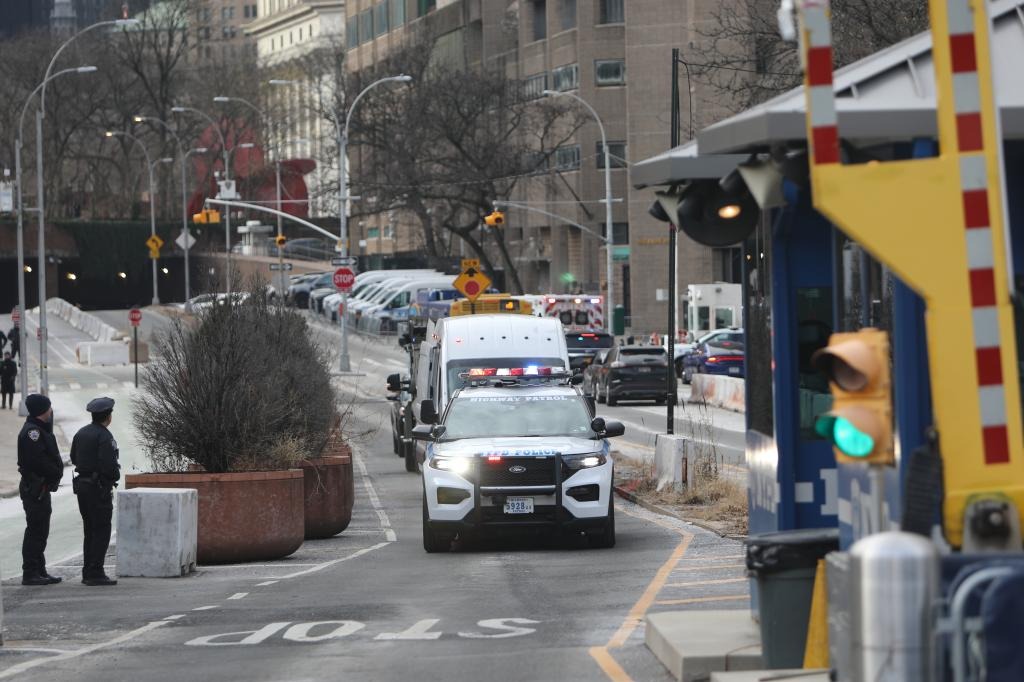
In an extraordinary legal proceeding that has drawn international condemnation, Venezuelan President Nicolás Maduro and First Lady Cilia Flores appeared before a federal court in New York on Monday, marking their first judicial hearing since being forcibly extracted from their Caracas residence by US military operatives in a nighttime operation on January 3rd.
The Venezuelan leader, speaking through a court-appointed interpreter, asserted his innocence before being interrupted by the presiding judge. “I was captured,” Maduro declared in Spanish, later adding during formal arraignment: “I am innocent. I am not guilty. I am a decent man, the constitutional president of my country.”
The operation, characterized by US President Donald Trump as a “large-scale strike,” involved the abduction and subsequent aerial transportation of the presidential couple to US territory. Both individuals are currently detained at the Metropolitan Detention Center in Brooklyn pending further judicial proceedings.
Flores similarly entered a plea of not guilty to all charges. The court has ordered both defendants remanded in custody, scheduling their next hearing for March 17th.
Barry Pollack, Maduro’s legal representative, indicated plans to challenge the legality of what he termed a “military abduction”—a move that legal experts suggest could establish unprecedented jurisprudence regarding the extraterritorial apprehension of foreign heads of state.
Outside the courthouse, substantial demonstrations erupted as protestors condemned Washington’s interventionist actions. Placards bearing messages such as “USA hands off Venezuela,” “No US war on Venezuela,” and “US hands off Venezuela oil” reflected growing public outrage.
Rae Lee, an early arrival at the protest site, characterized the operation as an “international crime” during remarks to journalists. Having recently visited Venezuela, she challenged mainstream media narratives about the nation’s conditions, noting: “They’ve been building their resilience through the years, and economically they have grown really powerfully.”
Many demonstrators expressed conviction that economic motivations rather than judicial concerns drove US actions. Imani Henry, another protest participant with firsthand experience in Venezuela, stated unequivocally: “It’s about oil. As with Iran, Afghanistan—it’s about oil. Steal a sovereign president and declare to run their country, and declare that we are gonna steal oil reserves.”
The case has ignited intense debate regarding sovereignty, international law, and the resurgence of power politics in global affairs, with critics warning of dangerous precedents being established through unilateral military actions against elected foreign leaders.