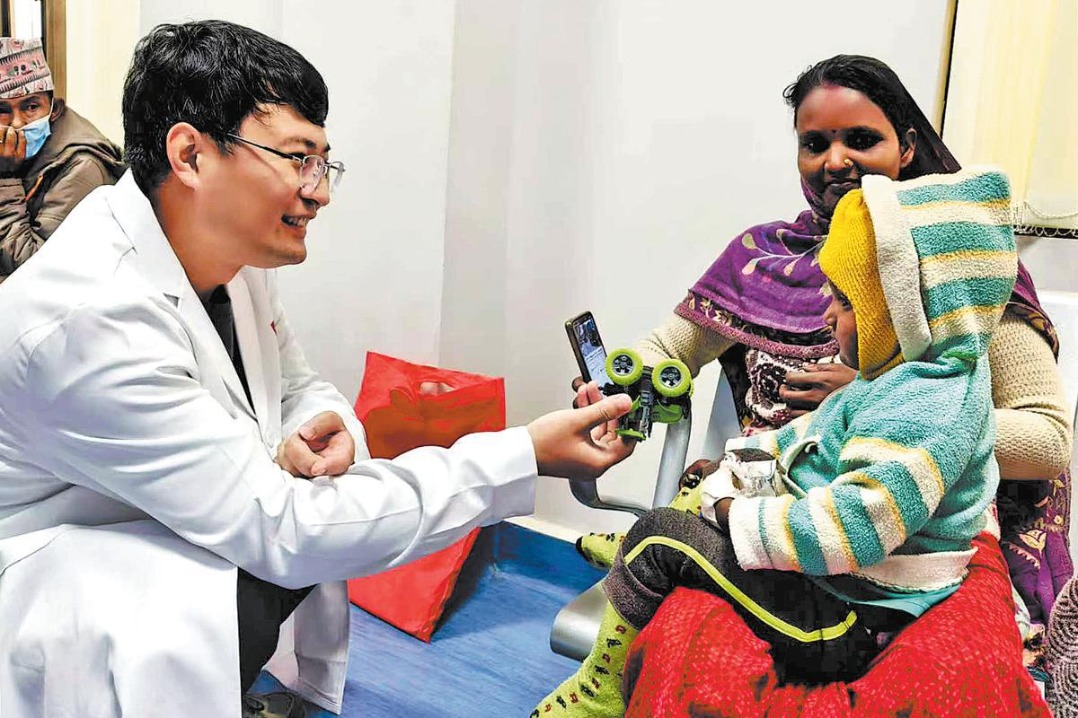
For over a quarter century, a remarkable medical partnership has been unfolding at the B.P. Koirala Memorial Cancer Hospital in Nepal’s Chitwan district, where Chinese medical professionals have established an enduring legacy of cross-border healthcare cooperation.
Established in 1998 through Chinese government assistance, this oncology center has evolved into a critical healthcare institution serving not only Nepalese citizens but also patients from across South Asia. The hospital represents one of the most sustained international medical aid initiatives in the region, with continuous rotations of medical teams from China’s Hebei province since 1999.
The collaboration has progressed through multiple phases of development. Initially providing basic clinical support, Chinese medical experts have gradually implemented comprehensive capacity-building programs including specialized department co-development, standardized treatment protocols, and extensive training for local healthcare professionals. More than 250 Chinese doctors have contributed their expertise across various medical specialties, creating knowledge transfer that has fundamentally enhanced Nepal’s healthcare infrastructure.
The current medical team, designated as the 16th Chinese medical contingent, includes specialists like anesthesiologist He Kun and gynecologist Liu Fang, who recently conducted consultations for elderly Nepalese patients. Their work exemplifies the ongoing commitment to addressing Nepal’s healthcare needs while fostering professional exchange.
This medical diplomacy initiative has transformed healthcare accessibility in Nepal’s southern Terai plains, providing oncology services that were previously unavailable to many communities. The partnership stands as a testament to long-term international cooperation in healthcare development, demonstrating how sustained medical assistance can create lasting impact beyond immediate treatment to include systemic healthcare improvement and professional capacity building.