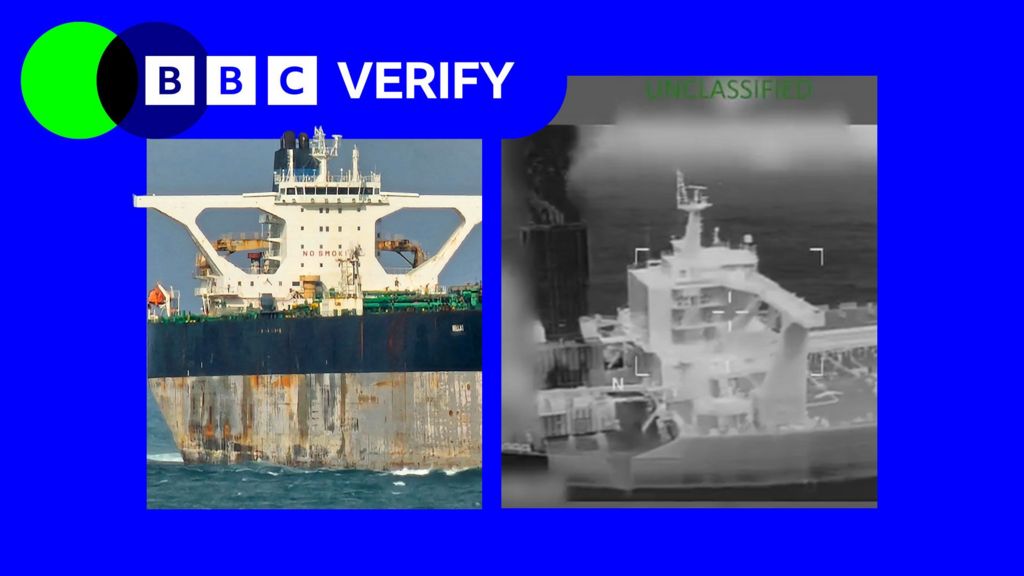
In a significant maritime enforcement operation, United States authorities have formally announced the interdiction and seizure of two oil tankers across strategic international waters. The operation targeted vessels suspected of violating international sanctions or engaging in illicit activities.
The first vessel, identified as the Marinera (previously registered under the name Bella 1), was intercepted and taken into custody while navigating the North Atlantic Ocean. Concurrently, a second tanker, the Sophia, was successfully seized in international waters proximate to the Caribbean Sea. These coordinated actions underscore a continued escalation in U.S. efforts to enforce compliance with global maritime law and economic sanctions regimes.
While the specific legal justifications for these seizures were not fully elaborated in the initial announcement, such operations are typically conducted under authority granted by national statutes or through rulings from U.S. courts. Historical precedents suggest these tankers may be linked to sanctions evasion, particularly related to oil shipments from embargoed nations like Iran or Venezuela.
The strategic locations of these seizures—major transit routes for international shipping—highlight the global reach of U.S. maritime enforcement capabilities. These actions will likely have immediate operational repercussions for global shipping logistics and energy markets, potentially causing heightened due diligence among vessel operators and maritime insurers. The incidents also carry substantial diplomatic weight, potentially triggering formal protests or escalating tensions with the flagged states of the seized vessels.