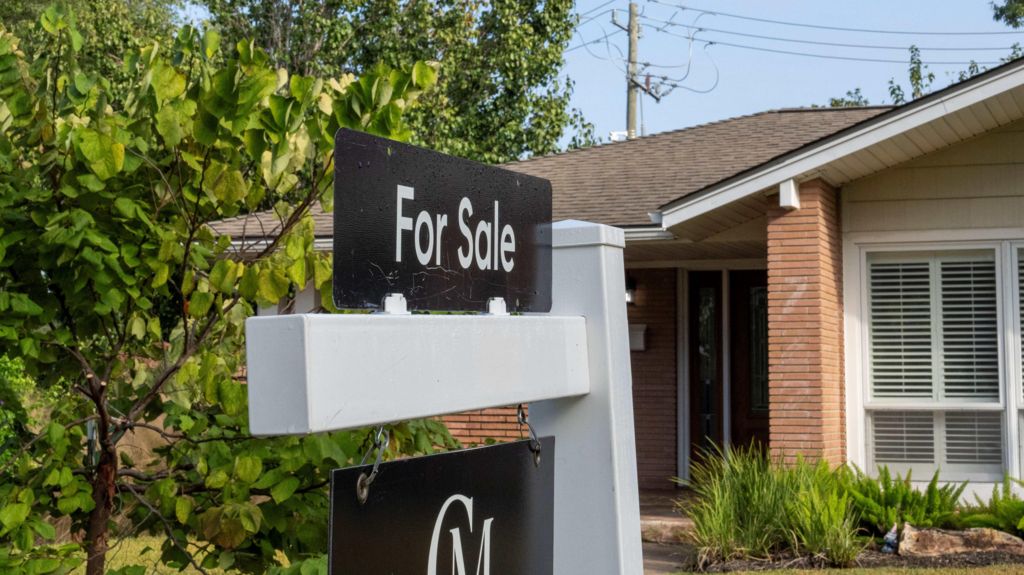
In a significant policy shift, former US President Donald Trump has pledged to prohibit major corporate investors from acquiring single-family homes, aiming to improve housing accessibility for American families. The announcement, made through social media platforms on Wednesday, represents a direct response to growing concerns over Wall Street’s expanding influence in residential real estate markets across the nation.
Trump declared his intention to seek congressional approval to formally enact the prohibition, with plans to elaborate on the proposal during the upcoming World Economic Forum in Davos. The initiative aligns with increasing political attention toward corporate ownership of residential properties, an issue that has gained momentum among housing advocates and legislators from both major parties.
The policy statement triggered immediate market reactions, with shares of prominent private equity firm Blackstone declining over 5% following the announcement. Several housing-related stocks experienced similar downturns, including Invitation Homes, which specializes in single-family rentals and saw a 6% drop, and building supplier Builders FirstSource, which fell more than 5%.
Trump framed the proposal as essential to preserving the American Dream, asserting that ‘People live in homes, not corporations’ and highlighting the particular challenges facing younger prospective homeowners. The announcement coincides with mounting public dissatisfaction regarding economic management and escalating living expenses, with housing affordability ranking among top concerns for voters.
While housing advocacy groups welcomed the proposal, analysts expressed skepticism about its potential impact on market prices. Laurie Goodman of the Urban Institute noted that institutional investors, strictly defined as entities holding at least 1,000 units across multiple locations, control approximately 4% of the single-family market—a proportion that has remained stable in recent years amid elevated interest rates and property values.
The policy faces practical implementation challenges, including defining threshold criteria for ‘large’ investors and determining treatment of existing corporate-owned properties. Some experts, including Redfin’s Chief Economist Daryl Fairweather, caution that any vacuum created by restricting major investors might simply be filled by medium or smaller-scale investors rather than first-time homebuyers.
Political dimensions further complicate the proposal’s prospects. Senate Democrats previously attempted similar legislation without success, while Ohio Republican Senator Bernie Moreno has announced plans to introduce supporting legislation. The initiative emerges as a rare issue attracting bipartisan concern, though previous legislative efforts have struggled to gain traction despite widespread scrutiny of corporate housing investments.