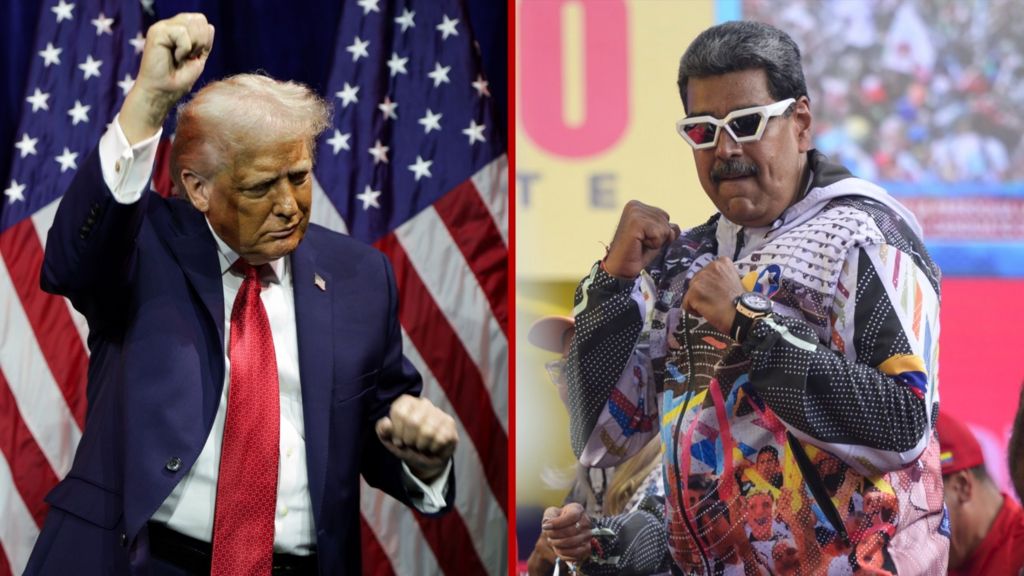
In an unusual diplomatic development, former U.S. President Donald Trump has publicly asserted that Nicolás Maduro, Venezuela’s controversial leader, deliberately mimicked his distinctive dance movements. The extraordinary allegation emerged on Tuesday, creating a surreal intersection of political theater and performative expression between the two nations’ leaders.
This peculiar exchange occurs against the backdrop of significantly strained relations between the United States and Venezuela, where Maduro maintains power despite numerous international challenges to his legitimacy. The dancing comparison has sparked both amusement and bewilderment among political observers, who note the stark contrast between traditional diplomatic discourse and this unconventional form of political communication.
Video evidence circulating online provides a comparative analysis of both leaders’ rhythmic expressions, revealing notable similarities in their movement patterns and stylistic approaches. The visual documentation offers fascinating insights into how body language and public performance have become increasingly relevant in modern political leadership.
Political analysts suggest this incident reflects the evolving nature of international relations in the social media era, where symbolic gestures and visual messaging sometimes overshadow conventional diplomatic protocols. The dancing controversy represents just one episode in the complex relationship between the United States and Venezuela, which continues to navigate challenges related to governance, economic sanctions, and regional influence.
The phenomenon also highlights how personal style and public presentation have become integral components of political identity in contemporary global leadership, potentially influencing public perception across international boundaries.