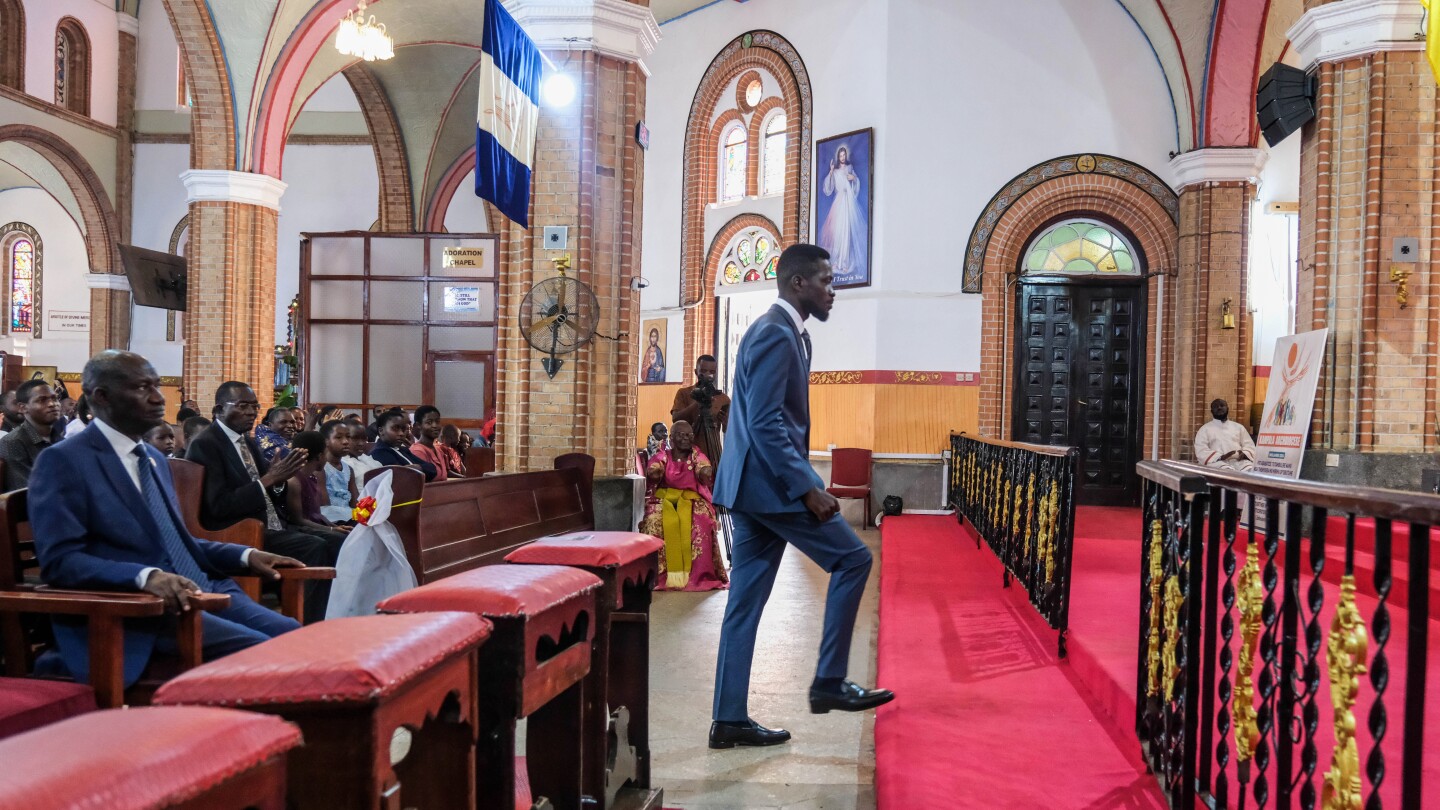
In Uganda’s increasingly volatile political landscape, presidential challenger Bobi Wine campaigns under constant threat of state-sponsored violence. The opposition leader, whose legal name is Kyagulanyi Ssentamu, navigates the campaign trail wearing protective gear against potential gunfire while facing relentless tear gas attacks from security forces. His challenge against President Yoweri Museveni—who has maintained power since 1986 through constitutional manipulations and suppression of rivals—has triggered what human rights organizations describe as a systematic campaign of brutal repression.
Museveni, Africa’s third-longest serving leader, has openly endorsed the deployment of tear gas against opposition gatherings, characterizing them as ‘criminal’ assemblies in his New Year’s address. While the president defends these measures as ‘legal and non-lethal’ alternatives to live ammunition, Wine reports at least three supporter fatalities during campaign events, including shootings and military vehicle incidents. Security forces routinely disrupt opposition rallies with military precision, while Museveni campaigns without obstruction.
The political environment has further deteriorated with the recent arrest of government critic Sarah Bireete, director of the Center for Constitutional Governance, on charges related to allegedly sharing voter registry data. Her detention until January 21 has been widely condemned as politically motivated silencing ahead of elections.
Academic and political analyst Gerald Bareebe notes that even members of Museveni’s ruling party have expressed outrage at the security forces’ brutal tactics against civilians. The situation is compounded by the prominent role of Museveni’s son, army chief Muhoozi Kainerugaba, who has openly aspired to succeed his father and previously threatened violence against Wine.
This election represents a critical juncture for a nation that hasn’t witnessed peaceful presidential transition since independence six decades ago. With Museveni seeking to extend his rule into a fifth decade and establishing what critics describe as military dictatorship, the January 15 vote faces serious questions about its legitimacy and potential for democratic change.